

Objective;
This blog educates financial businesses on creating secure, user-friendly, and professional websites. It covers key features, user experience, SEO, security measures, and modern design trends to guide informed decisions.
A financial website design is an essential part of any business that offers financial services. It acts as a central platform where visitors learn about your services, understand your expertise, and decide whether they can trust your brand. A well-designed financial website helps businesses present information clearly and create a strong professional image.
In 2025, research shows that around 75% of users say a company’s credibility is influenced by its website design, and 94% of first impressions about a site are based on design rather than content
Financial website design focuses on more than just appearance. It includes clear layouts, easy navigation, strong security, and smooth performance across all devices. When visitors can quickly find what they need and feel safe sharing information, they are more likely to engage and take action.
This complete guide explains the key aspects of financial website design for businesses. It covers important design principles, essential features, and practical tips to help you build a website that attracts visitors, builds trust, and supports business growth.
Key Takeaways
- A professional financial website builds trust, credibility, and improves client engagement.
- Security, compliance, and data protection are essential for financial websites.
- Mobile-friendly design, fast loading speed, and intuitive UX enhance user experience.
- SEO, quality content, and interactive tools help attract and convert potential clients.
What Is Financial Website Design?
Finance website design refers to the process of creating and structuring websites specifically for financial institutions, advisors, accountants, insurance companies, investment firms, and other businesses in the financial sector. This specialized approach addresses the unique needs of financial service providers and their clients.
Unlike general website design, financial web design services must prioritize data protection, regulatory compliance, and clear communication of complex financial concepts. The website design process involves careful planning of information architecture, visual hierarchy, and user pathways that guide visitors toward specific actions such as scheduling consultations, opening accounts, or requesting quotes.
Professional website design for financial services incorporates industry-specific elements like calculators, comparison tools, secure client portals, and educational resources. These features help potential clients make informed decisions while demonstrating your expertise and commitment to transparency.
Why Financial Website Design Matters for Businesses
Your website often serves as the first point of contact between your business and potential clients. In the financial sector, first impressions carry significant weight because people are deciding whether to trust you with their money, investments, or financial future.
Financial services website design directly impacts how visitors perceive your credibility and professionalism. A modern, well-organized website signals that your business is established, reliable, and capable of handling complex financial matters. Conversely, an outdated or confusing website can drive potential clients to competitors, regardless of how excellent your actual services may be.
Beyond aesthetics, effective design improves functionality and conversion rates. When visitors can easily navigate your site, understand your services, and contact your team without frustration, they are more likely to become clients. Strategic placement of calls-to-action, clear value propositions, and streamlined contact forms all contribute to better business outcomes.
Search engines also reward well-designed websites with better rankings, which means more visibility for your business. A properly structured site with fast loading times, mobile compatibility, and quality content helps you reach more potential clients through organic search.
Key Features of an Effective Financial Website
An effective financial website includes several essential features that work together to inform, engage, and convert visitors into clients.
Must-Have Features:
1. Service Pages
Clearly describe what you offer, who you serve, and how you solve specific financial challenges. Each service should have its own dedicated page with detailed information, benefits, and clear next steps for interested prospects.
2. About and Team Pages
Build personal connections by introducing your advisors, their qualifications, experience, and specializations. Include professional photos and brief bios that highlight credentials and areas of expertise.
3. Client Testimonials
Provide social proof that validates your expertise. Real stories from satisfied clients demonstrate tangible results and help potential clients envision similar outcomes.
4. Educational Resources
Position your business as a knowledgeable authority through blog articles, guides, whitepapers, and FAQs. This content improves search visibility and keeps visitors engaged longer.
5. Contact Forms and Scheduling Tools
Remove friction from the conversion process by making it easy for visitors to reach out, book consultations, or request information.
6. Interactive Calculators
Provide immediate value with mortgage calculators, retirement planning tools, and investment return calculators that engage users practically.
Security and Compliance in Financial Website Design
Security is non-negotiable in custom financial website design. Financial websites handle sensitive personal information, account details, and confidential communications that must be protected from unauthorized access and cyber threats.
SSL certificates encrypt data transmitted between visitors and your server, protecting information from interception. Every financial website should use HTTPS protocol, indicated by the padlock icon in browser address bars, to ensure secure connections.
Essential Security Measures:
- Regular Security Updates: Keep your content management system, plugins, and server software current to prevent vulnerabilities that could compromise client data.
- Compliance Requirements: Ensure adherence to GDPR, CCPA, and industry-specific regulations through proper privacy policies, cookie consent mechanisms, and documented data handling procedures.
- Two-Factor Authentication: Add an extra security layer for client portals by requiring both passwords and secondary verification methods.
- Security Audits: Conduct regular penetration testing to identify potential weaknesses before they can be exploited.
Working with security professionals ensures your website meets industry standards and helps protect your website from hackers and malware, safeguarding both your business and your clients from potential breaches that could harm your reputation or result in legal consequences.
User Experience Best Practices for Financial Websites
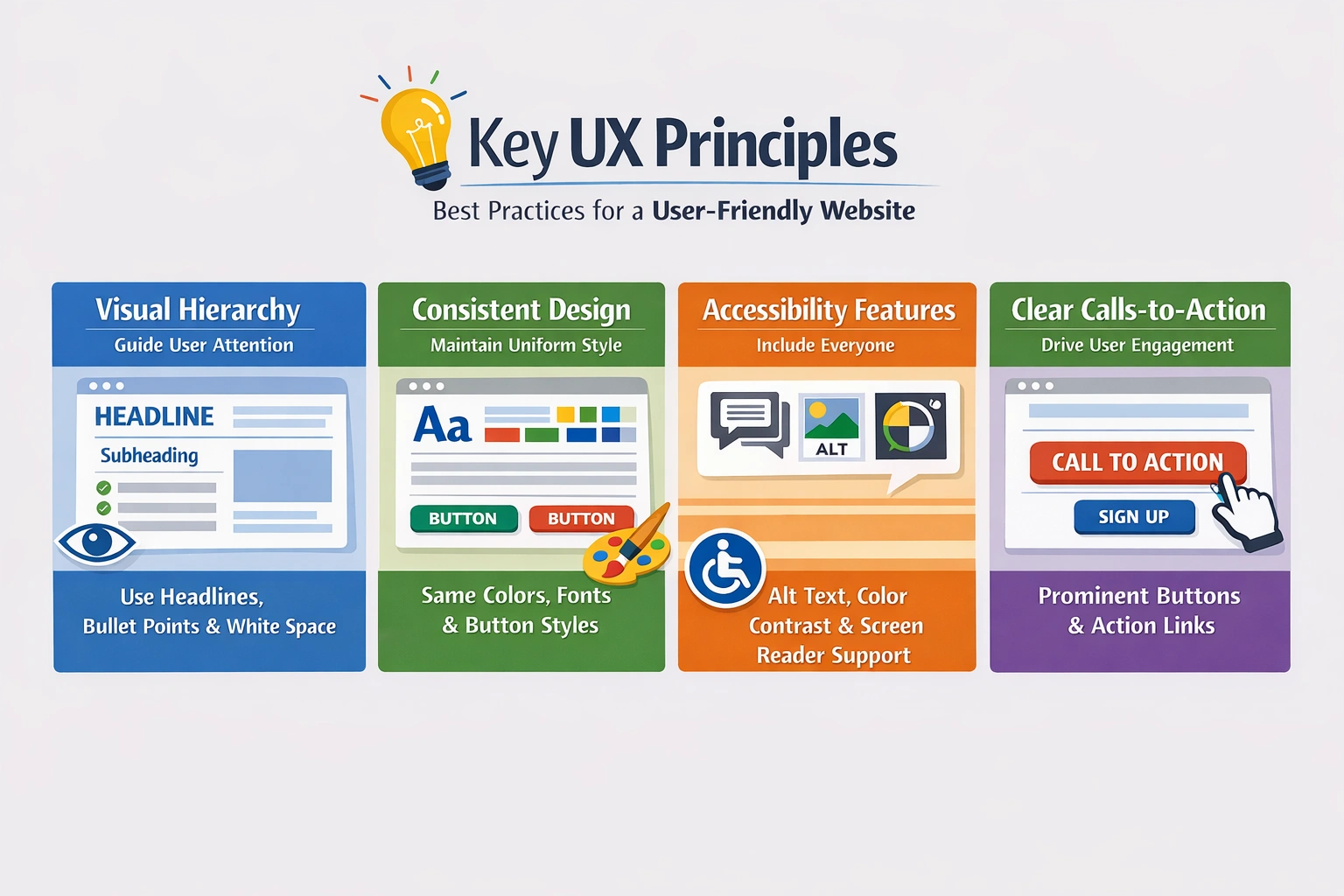
User experience determines whether visitors can successfully accomplish their goals on your website. A finance web design agency understands that positive experiences lead to higher engagement and conversion rates.
Clear navigation structures help visitors find information quickly without confusion or frustration. Primary navigation should include major categories like Services, About, Resources, and Contact, while secondary navigation can provide access to specific sub-pages and tools.
Key UX Principles:
- Visual Hierarchy: Guide attention to the most important elements using headlines, subheadings, bullet points, and white space that create scannable layouts.
- Consistent Design: Use the same color schemes, typography, button styles, and layouts throughout your site to build familiarity and trust.
- Accessibility Features: Ensure all visitors can use your website through proper heading structures, alternative text for images, sufficient color contrast, and screen reader compatibility.
- Clear Calls-to-Action: Tell visitors exactly what to do next with prominently placed buttons and links that make desired actions obvious and easy to complete.
These elements of good web design work together to create an intuitive experience that makes complex financial information accessible and encourages visitors to take the next step toward becoming clients.
Mobile-Friendly Design for Financial Websites
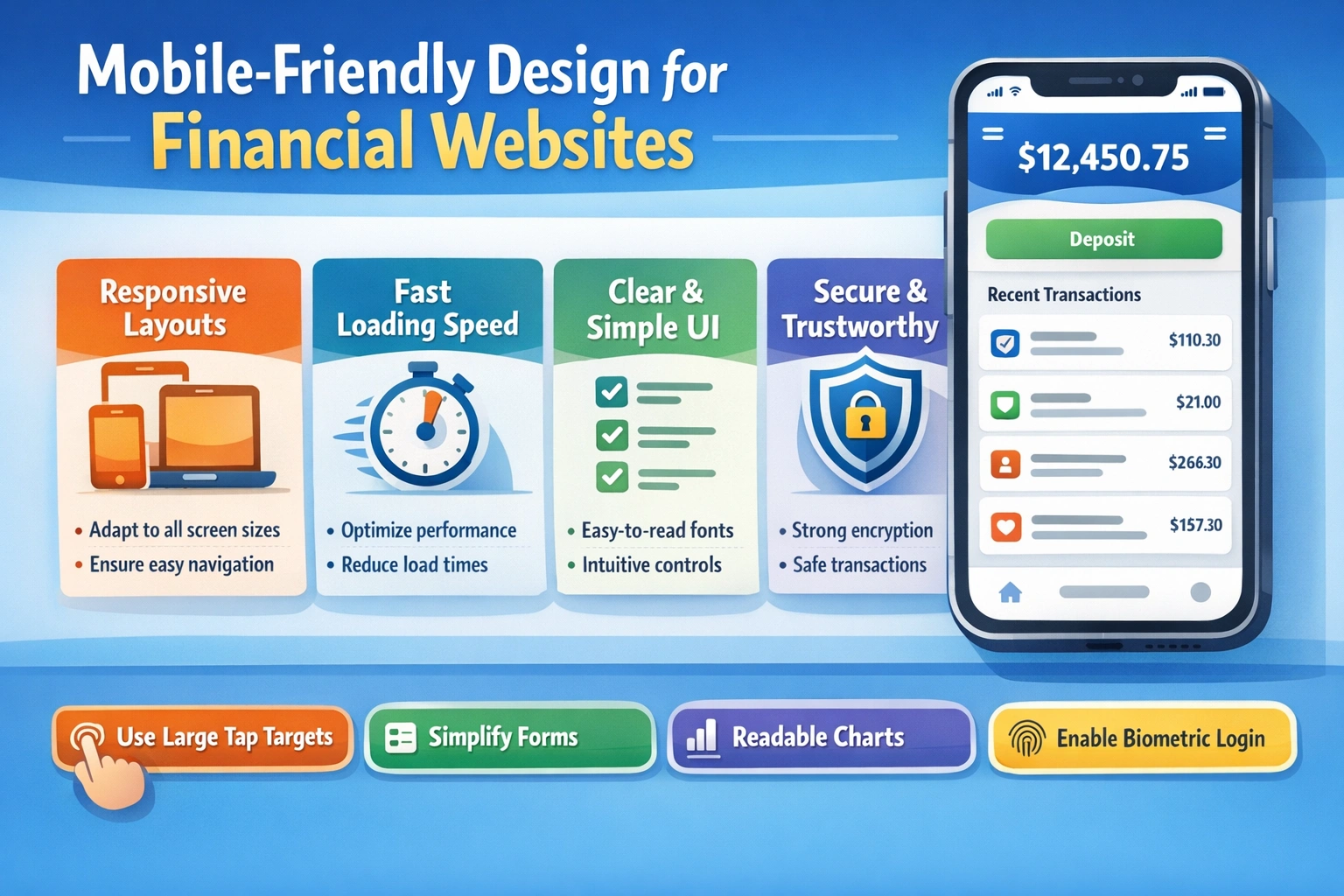
Responsive financial website design ensures your website functions perfectly across all devices, from desktop computers to smartphones and tablets. With more than half of web traffic coming from mobile devices, mobile optimization is no longer optional.
Mobile responsive design automatically adjusts layouts, images, and content to fit different screen sizes. Elements stack vertically on smaller screens, text remains readable without zooming, and buttons are large enough to tap easily with fingers.
Mobile Optimization Essentials:
- Mobile Navigation: Use hamburger menus or simplified navigation bars that expand when needed to preserve screen space.
- Fast Loading Speed: Optimize images, minimize scripts, and use efficient code for fast loading times on slower mobile connections.
- Mobile-Friendly Forms: Design larger input fields, minimize required typing, and use appropriate keyboard types for different data entry.
- Touch-Friendly Elements: Provide adequate spacing between buttons and links to prevent accidental taps, with immediate response to touch inputs.
When your website works seamlessly on mobile devices, you capture opportunities from visitors who research financial services on their phones during commutes, lunch breaks, or while comparing options on the go.
Website Speed Optimization for Financial Platforms
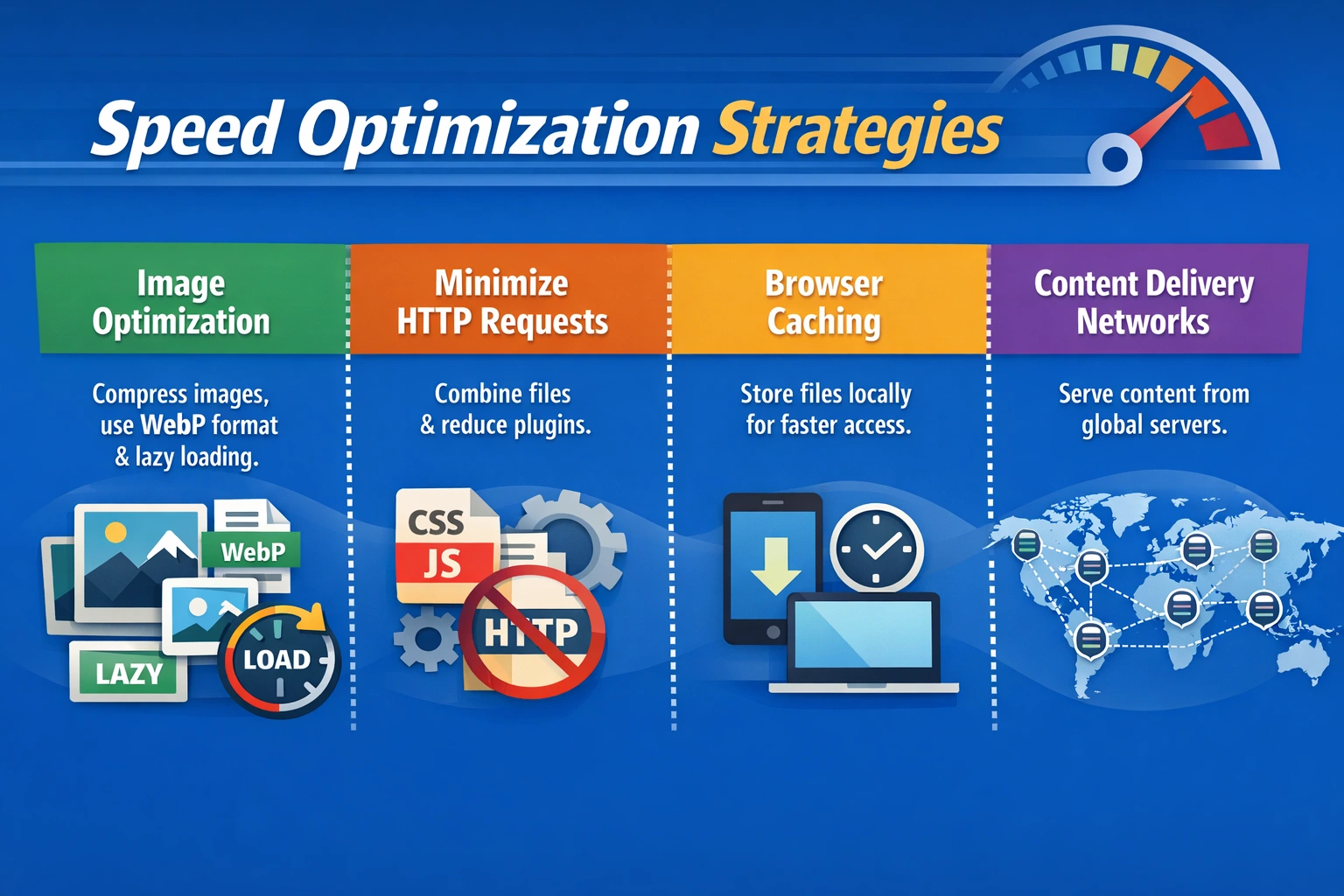
Financial business website design must prioritize speed because visitors expect instant access to information, especially when making important financial decisions. Even a one-second delay in page load time can significantly reduce conversions and increase bounce rates.
Speed Optimization Strategies:
- Image Optimization: Reduce file sizes without sacrificing quality through compression, modern formats like WebP, and lazy loading that defers image loading until needed.
- Minimize HTTP Requests: Combine files, reduce plugin count, and streamline code since each page element requires a separate request.
- Browser Caching: Store commonly used files locally on visitors’ devices so they don’t need repeated downloads on subsequent visits.
- Content Delivery Networks: Distribute website files across multiple servers worldwide to serve content from locations closest to each visitor.
Regular performance monitoring identifies bottlenecks and opportunities for improvement. Use tools like Google PageSpeed Insights, GTmetrix, or Lighthouse to track performance metrics and receive specific speed optimization recommendations that keep your website running at peak efficiency.
Need a Professional Financial Website on a Budget?
Our experts design secure, professional financial websites that build trust, attract clients, and support long-term business growth!
SEO Best Practices for Financial Websites
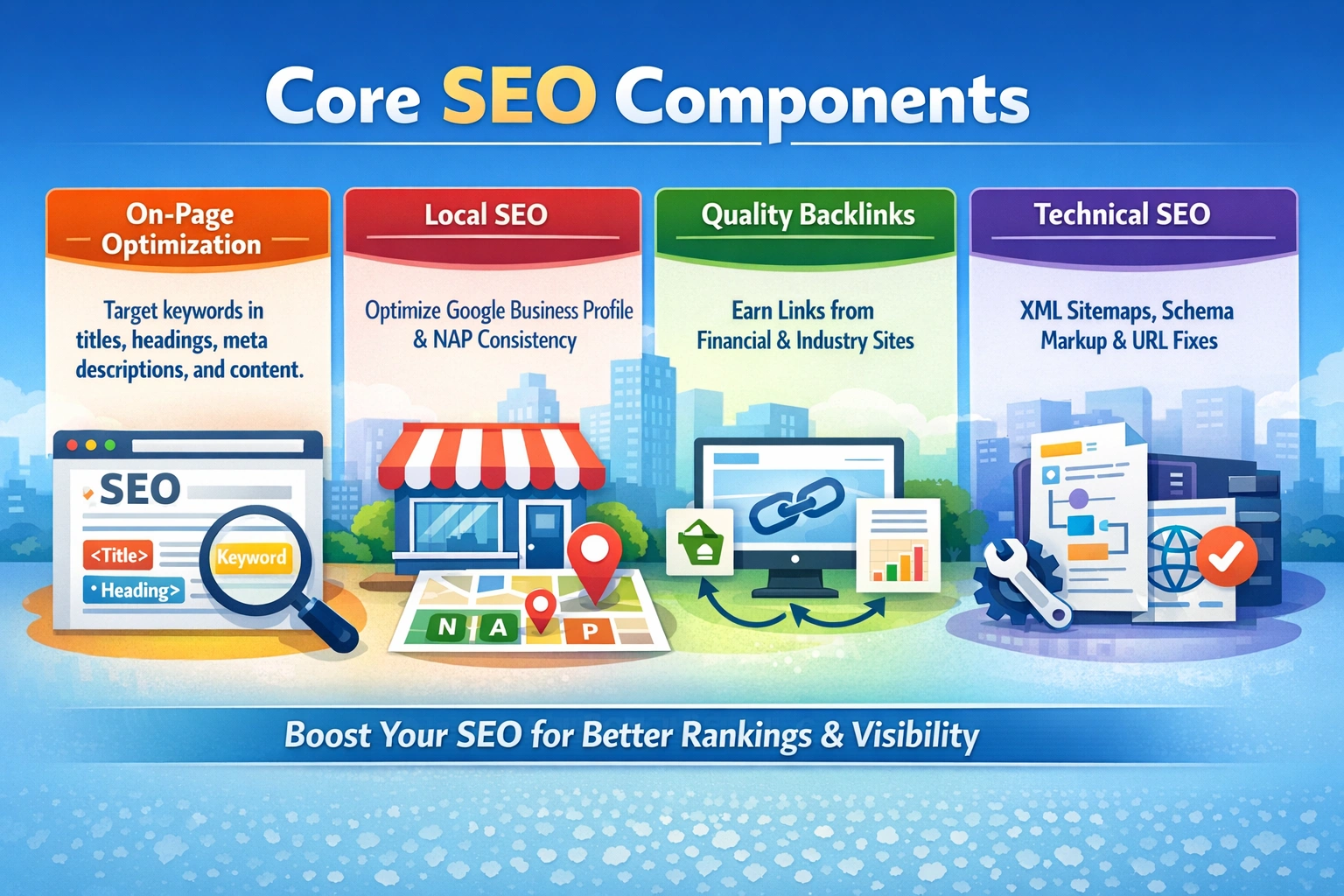
Search engine optimization helps potential clients discover your services when searching for financial solutions online. Effective SEO for financial advisor website design combines technical optimization, quality content, and strategic keyword targeting.
Keyword research identifies the terms and phrases your ideal clients use when searching for financial services. Focus on specific, intent-driven keywords like “retirement planning advisor in [city]” or “small business tax services” rather than generic terms with high competition.
Core SEO Components:
- On-Page Optimization: Incorporate target keywords naturally into titles, headings, meta descriptions, and body content without over-optimization.
- Local SEO: Optimize your Google Business Profile, ensure consistent NAP information across directories, and include location-specific keywords.
- Quality Backlinks: Earn links from reputable financial websites, industry publications, and local directories through valuable content and professional partnerships.
- Technical SEO: Create XML sitemaps, implement schema markup, fix broken links, and ensure proper URL structures for search engine crawling.
These strategies work together to improve your visibility in search results, driving more qualified traffic to your website from people actively seeking the financial services you provide.
Content That Builds Trust in Financial Websites
Content serves as the foundation for establishing expertise and building trust with potential clients. Professional financial website design incorporates strategic content that addresses visitor concerns and demonstrates your knowledge.
Educational blog articles answer common questions, explain financial concepts, and provide actionable insights. Regular publishing shows you’re actively engaged in your field and committed to helping clients make informed decisions.
Trust-Building Content Types:
- Service Descriptions: Focus on benefits rather than features, explaining how your services solve problems and deliver measurable results.
- Case Studies: Provide concrete examples of how you’ve helped clients achieve goals with specific details about challenges, solutions, and outcomes.
- Video Content: Create personal connections through explainer videos, client testimonials, and advisor introductions that help visitors feel they know your team.
- Downloadable Resources: Offer guides, checklists, and calculators that provide immediate value while capturing contact information for follow-up.
Regularly updated content shows your website is active and your information is current. Outdated content raises concerns about whether your business is still operating or if your knowledge is obsolete, so maintaining fresh content is essential for credibility.
Financial Website Design Trends to Watch
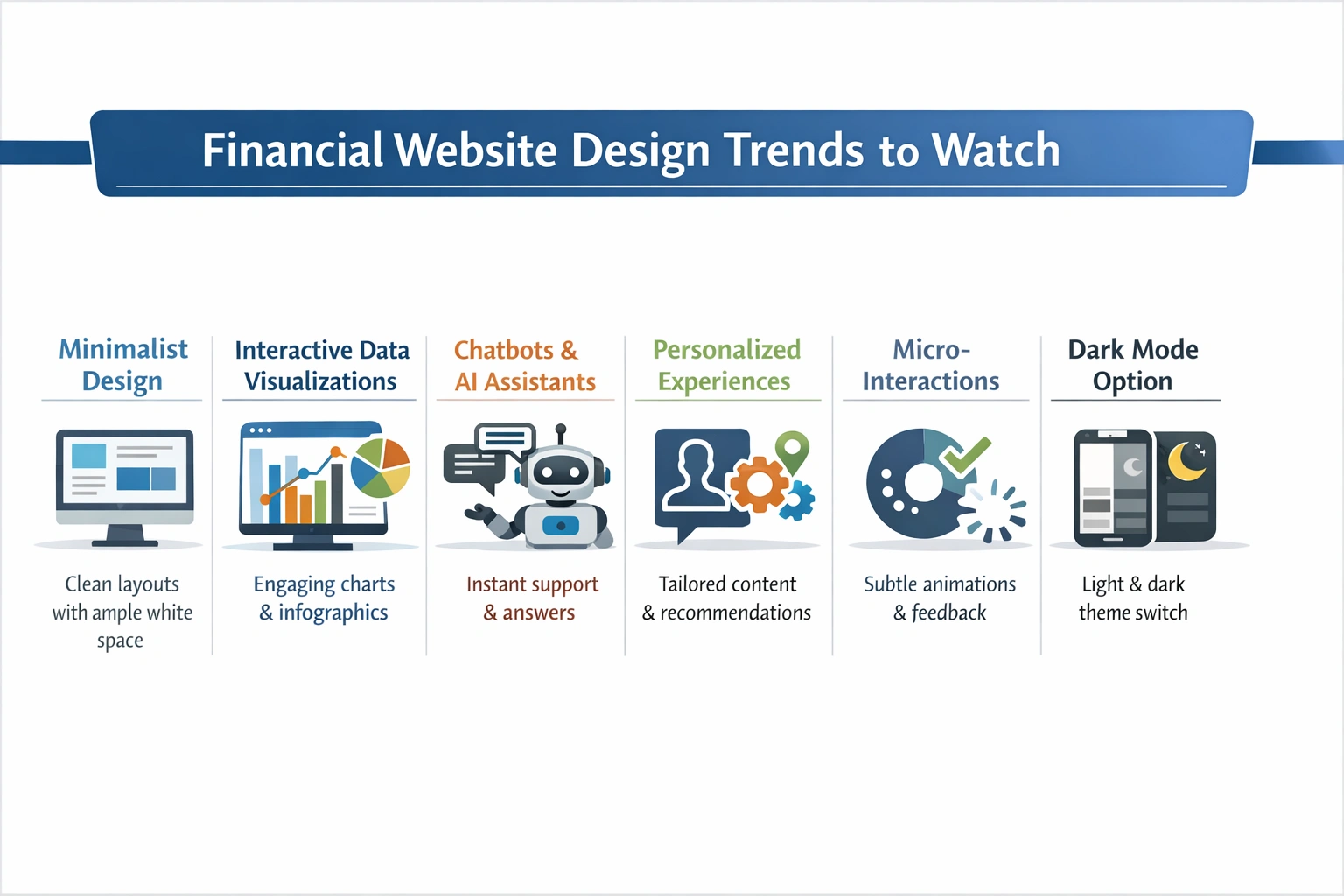
Modern financial web design evolves continuously as technology advances and user expectations change. Staying current with the latest design trends ensures your website remains competitive and appealing to contemporary audiences.
Emerging Design Trends:
Minimalist Design: Clean layouts with generous white space help visitors focus on essential information without distraction, particularly effective for financial services.
Interactive Data Visualizations: Transform complex financial information into understandable charts, graphs, and infographics that make data accessible.
Chatbots and AI Assistants: Provide instant responses to common questions even outside business hours, improving user experience while qualifying leads.
Personalized Experiences: Adapt website content based on visitor behavior, location, or preferences to increase relevance and engagement.
Micro-Interactions: Offer subtle feedback for user actions through button animations, form validation messages, and loading indicators.
Dark Mode Options: Give visitors control over their viewing experience to reduce eye strain and save battery life on mobile devices.
Choosing the Right Financial Website Design Agency
Selecting the right partner for your financial services web design project significantly impacts the final result. The right agency brings specialized knowledge, proven processes, and a portfolio of successful financial websites.
Look for agencies with specific experience in the financial sector who understand regulatory requirements, security standards, and the unique challenges of communicating complex financial concepts to diverse audiences.
Evaluation Criteria:
- Portfolio Review: Examine websites created for businesses similar to yours, paying attention to design quality, functionality, and effectiveness.
- Design Process: Ask about how they gather requirements, create prototypes, incorporate feedback, and test final products.
- Ongoing Support: Discuss maintenance services for updates, security patches, content changes, and troubleshooting after launch.
- Client References: Request conversations with past financial services clients to learn about communication, deadline management, and issue resolution.
- Technical Expertise: Verify proficiency with secure hosting, compliance requirements, and integration with financial software and tools.
Cost of Financial Website Design for Businesses
Financial website design pricing varies significantly based on complexity, features, customization, and the agency or designer you work with. Understanding typical cost ranges helps you budget appropriately and evaluate proposals.
Other Web Design Companies vs Mandy Web Design Pricing Comparison
Feature / Pricing | Other Web Design Companies | Mandy Web Design |
Starting Price | $500 – $5,000 | Starts at ₹13,000 |
Pricing Transparency | Multiple add-ons and hidden costs | Clear, upfront pricing |
Design Customization | Limited at lower tiers | Purpose-built financial website designs |
Security Features | Often charged separately | Security-ready structure included |
Mobile Responsiveness | Included only in higher plans | Included by default |
Essential Integrations | Paid extras (forms, CRM, tools) | Only necessary integrations included |
Maintenance & Support | High monthly retainers | Affordable, flexible support plans |
Best Fit For | Large budgets, enterprise clients | Startups, advisors, growing firms |
Mandy Web Design offers transparent website design packages with no hidden add-ons. Essential features like mobile responsiveness, secure architecture, and performance optimization are included upfront, not charged separately. Our scalable pricing ensures your website can grow with your business without forcing costly upgrades, delivering long-term value without compromising quality or security.
Why Choose Mandy Web Design for Financial Website Design
Mandy Web Design is a top-rated web design and development company trusted by businesses across multiple industries, including finance, real estate, corporate, enterprise, fashion, medical, healthcare, and many more.
With over 15+ years of hands-on experience, our team has delivered high-performing websites for startups, growing firms, and established organizations.
As a full-service web designing agency, we offer complete website solutions under one roof. Services include custom web design, UI/UX design, WordPress web design, responsive design, website redesign, and ongoing website maintenance services to keep your platform secure, fast, and up to date. This end-to-end approach ensures your financial website is not only visually professional but also functional, secure, and built for long-term growth.
Ready to Discuss Your Financial Website Project?
Schedule your free consultation today and discover how professional design attracts clients and grows your financial business!
FAQs About Financial Website Design
Financial website design involves creating a professional, secure, and user-friendly website for finance businesses. It ensures clear service presentation, trust-building, compliance, and optimized navigation, helping firms attract and retain clients effectively while establishing credibility in the competitive financial industry.
A professional financial website builds trust, showcases expertise, and provides clear information about services. It ensures security and compliance, improves user experience, and helps potential clients feel confident engaging with your business, ultimately increasing leads, client retention, and long-term business growth.
Mandy Web Design is a full-service web design agency offering custom website design, UI/UX design, WordPress development, responsive design, website redesign, and ongoing maintenance. All services are tailored to meet financial businesses’ needs, ensuring a professional, secure, and conversion-focused online presence.
The cost of a financial website varies depending on complexity, features, and design requirements. Mandy Web Design offers affordable packages to suit small firms, startups, and established businesses, delivering professional, secure, and high-performing websites that provide a strong return on investment through quality leads.
Yes, we offer website redesign and upgrade services to improve design, functionality, and security. Our team ensures your existing website meets modern standards, enhances user experience, and reflects your brand professionally, helping your financial business remain competitive and trusted by clients.
Yes. Every website we design is fully responsive, providing a seamless experience on desktops, tablets, and smartphones. This ensures your clients can easily access information, navigate your services, and engage with your business, no matter what device they are using.
Absolutely. Mandy Web Design can integrate client portals, financial calculators, CRM systems, and other custom tools. These features improve functionality, enhance user experience, and provide clients with valuable, interactive resources while supporting your financial business goals efficiently.
We provide ongoing maintenance services, including updates, security monitoring, backups, performance optimization, and troubleshooting. This ensures your financial website remains secure, fast, and fully functional, allowing you to focus on your business while maintaining a professional online presence.

About the Writer
Abhishek Thakur
Sr. Content Writer at Mandy Web Design
Abhishek Thakur is the Senior Content Writer at Mandy Web Design, where he crafts engaging content for the company’s website, blog, and marketing campaigns. With 5+ years of experience in digital marketing and SEO content creation, he specializes in turning complex topics into easy-to-understand, actionable strategies that help businesses grow online. He is passionate about creating high-quality, value-driven content that connects with audiences and builds brand authority. When he’s not writing, he enjoys exploring new ideas, learning the latest marketing trends, and improving his creative skills.