
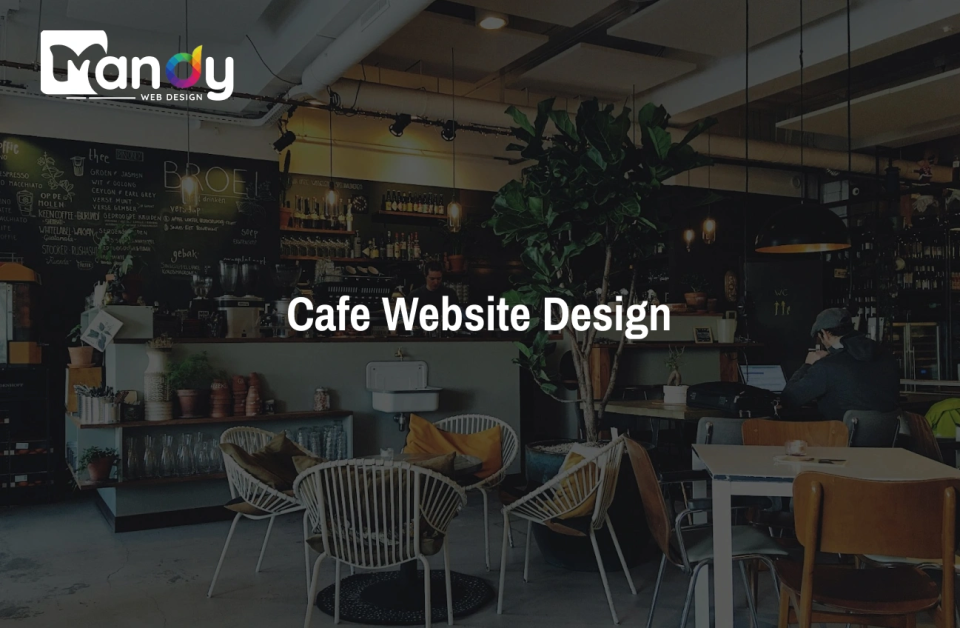
Cafe website design helps your café look welcoming and professional online. It shows people what your café is about, what you serve, and why they should visit. For many customers, your website is the first place they learn about your café, so it should be clear, friendly, and easy to understand.
A modern cafe website keeps things simple and easy to use. It should load fast, work well on mobile phones, and show important details like your menu, photos, location, and contact information. When visitors can find what they need without effort, they feel more confident about choosing your café.
In this blog, we’ll explain how modern cafe website design helps build a strong online presence. You’ll learn how a simple, well-designed website can attract more customers, build trust, and turn online visitors into real café guests.
Why Cafe Website Design Matters Today
The way people discover and choose cafes has changed dramatically in recent years. Before visiting a new café, most customers search online first. They look at photos, read the menu, check reviews, and get a feel for the atmosphere before deciding where to spend their time and money.
Your website serves as your digital storefront, working around the clock to represent your business. While social media platforms are valuable, they don’t give you complete control over how your brand appears. A dedicated website puts you in charge of the customer experience from the moment someone discovers your café online.
Key reasons why your café needs a professional website:
- Customers expect to find you online and want convenient access to information
- Your website works 24/7 to attract customers even when your café is closed
- Complete control over your brand presentation and customer experience
- Better positioning against competitors who may have outdated or no websites
- Ability to provide essential information like menu, hours, and location in one place
Competition in the café industry continues to grow in most cities and towns. When potential customers compare multiple options online, the café with the most professional and informative website often wins their business. Your website isn’t just nice to have anymore, it’s essential for staying competitive and reaching customers who might otherwise choose somewhere else.
First Impressions: How Design Influences Cafe Customers
You have approximately three to five seconds to make a positive impression when someone lands on your website. In that brief moment, visitors form opinions about your café’s quality, professionalism, and whether it matches what they’re looking for. Poor design choices can send potential customers away before they even read your menu.
Choosing the right web design layouts helps guide visitors’ attention and highlight your café’s best features. Cluttered pages with outdated graphics or difficult-to-read text create confusion and distrust. The visual presentation tells a story about your café before words do.
What your website design communicates instantly:
- Quality of your coffee and food offerings
- Level of professionalism and attention to detail
- Whether your café matches what the visitor is looking for
- Your café’s personality and target audience
- Trustworthiness and reliability of your business
Trust is built through consistent, polished presentation. When your website looks professional and functions smoothly, customers feel confident that your actual café will meet their expectations. Conversely, broken links, blurry images, or confusing layouts raise red flags that may prevent people from giving your business a chance.
The design also helps filter and attract your ideal customers. A café targeting young professionals with specialty coffee needs a different design approach than a family-friendly neighborhood café. Your website’s visual style, tone, and features should align with the type of customers you want to serve and the experience you provide.
Key Elements of a Modern Cafe Website
Modern café websites share several core elements of good website design that work together to inform visitors and encourage them to become customers. A well-planned web design process ensures each element—from homepage to menu—is structured to engage visitors effectively.
Essential pages and sections every café website needs:
- Homepage: Hero image showcasing your space, clear tagline, and easy navigation to key sections
- Menu Page: Organized listings of drinks and food with prices and descriptions
- About Section: Your café’s story, values, and what makes you unique
- Contact/Location: Address with map, phone number, email, and business hours
- Gallery: High-quality photos of your space, drinks, and food
- Social Proof: Customer testimonials, reviews, or social media integration
The homepage serves as your welcome mat and should immediately communicate what makes your café special. Visitors should understand within seconds what type of café you run and why they should care. A compelling hero image or video showing your space, combined with a brief tagline capturing your café’s personality, sets the right tone.
Your menu deserves its own dedicated page or section with clear organization. Customers want to see what you serve and at what prices before deciding to visit. Whether you offer just coffee and pastries or a full breakfast and lunch menu, presenting this information in an easy-to-scan format removes barriers to visiting.
High-quality photography throughout your site showcases your café’s atmosphere, food presentation, and coffee craftsmanship. Original photos of your actual café work much better than generic stock images because they give an authentic preview of what customers will experience when they visit.
Choosing the Right Colors, Fonts, and Visual Style
Incorporating modern website design trends in colors, fonts, and layout helps your café stand out and feel current. The website colors, fonts, and overall aesthetic style you choose should align with your brand positioning and appeal to your target customers.
Color psychology plays a significant role in how people perceive your café. Warm earth tones like browns, beiges, and creams create a cozy, traditional coffee house feeling. Bright, bold colors suggest energy and modernity. Muted, sophisticated palettes appeal to upscale customers seeking a refined experience. Your color choices should reflect the actual atmosphere of your physical space to set accurate expectations.
Design elements that create visual harmony:
- Consistent color palette (3-5 colors maximum) used throughout the site
- Two to three complementary fonts for headlines and body text
- Ample white space to let your design breathe
- Consistent styling across all pages and elements
- Visual style that differentiates you from local competitors
Website design for cafes should maintain consistency across all pages and elements. Using the same color palette, fonts, and design patterns throughout your site creates a cohesive professional appearance. Inconsistent styling looks amateurish and makes navigation more confusing because visitors can’t develop a sense of familiarity as they browse.
Font selection impacts both readability and brand personality. Clean, modern sans-serif fonts convey simplicity and contemporary style, while serif fonts suggest tradition and sophistication. Decorative or script fonts can add character when used sparingly for headlines, but body text must always be easy to read.
White space, also called negative space, gives your design room to breathe. Many café owners want to pack their websites with information and images, but overcrowding makes everything harder to process. Strategic use of white space directs attention to important elements and creates a more relaxing, premium feel.
Mobile-Friendly Design for On-the-Go Customers
More than half of website traffic now comes from mobile devices, and for cafés, that percentage is often even higher. People search for nearby cafés while walking down the street, sitting in their car, or commuting on public transportation. If your website doesn’t work perfectly on smartphones, you’re losing customers to competitors with better mobile experiences.
Responsive website design automatically adjusts your site’s layout to fit different screen sizes. Text remains readable without zooming, buttons become large enough to tap easily, and images resize appropriately. This flexible approach ensures every visitor has a good experience regardless of what device they use.
Mobile design priorities for café websites:
- Quick access to essential information (address, hours, menu) within one or two taps
- Click-to-call buttons for your phone number
- Click-to-navigate buttons for your address
- Fast loading times even on slower 4G connections
- Touch-friendly interface with properly spaced buttons and links
- Simple forms that are easy to complete on small screens
Mobile users have different priorities and behaviors than desktop visitors. They typically want quick access to essential information like your address, hours, and menu. Your mobile design should prioritize these elements, making them accessible within one or two taps.
Page loading speed matters even more on mobile devices, where internet connections may be slower and less reliable. Optimize images for mobile viewing, minimize unnecessary animations, and ensure your site loads quickly even on 4G networks. Research shows that most mobile users abandon sites that take longer than three seconds to load.
Test your website on actual mobile devices, not just by resizing your browser window. Different phones and tablets render websites differently, and touch interactions can reveal problems you won’t notice on desktop. Ask friends with various devices to try using your site and report any difficulties they encounter.
Simple Navigation That Guides Visitors Easily
A clear SEO-friendly website structure helps search engines understand your site while making it easy for visitors to explore your café’s offerings. Poor navigation is one of the most common reasons people leave websites quickly, so getting this right is crucial for keeping potential customers engaged.
Your main navigation menu should be visible and consistent on every page. Most cafe web design services place this in a horizontal bar across the top of the page or in a sidebar that remains accessible as visitors scroll. The menu should include your most important pages: Home, Menu, About, Location/Contact, and perhaps Gallery or Online Ordering if applicable.
Navigation best practices for café websites:
- Keep main menu to 5-7 items maximum
- Use clear, predictable labels (Menu, Contact, About)
- Make navigation consistent on every page
- Include dropdown submenus for related content organization
- Add a search function if you have substantial content
- Use footer navigation for secondary links
- Implement breadcrumb trails for complex site structures
Keep navigation labels clear and predictable. Use words visitors expect rather than creative alternatives that might confuse them. “Menu” is better than “What We Serve,” and “Contact” is clearer than “Get In Touch.” While creative language has its place elsewhere on your site, navigation should prioritize clarity over cleverness.
The footer provides secondary navigation space for less critical but still useful links. This might include your privacy policy, social media links, newsletter signup, career opportunities, or detailed company information. Footers also commonly repeat your contact information and hours for easy reference.
High-Quality Images That Reflect Your Cafe's Vibe
Photography is one of the most powerful tools in modern cafe website design because images communicate atmosphere, quality, and personality instantly. Visitors form opinions about your café based primarily on the photos they see, making image selection and quality critically important.
Invest in professional photography of your actual space, food, and drinks rather than relying on generic stock images. Authentic photos give potential customers an accurate preview of what they’ll experience at your café. They also help your website feel unique and genuine rather than generic and impersonal.
Types of photos every café website needs:
- Wide shots of your interior space showing atmosphere and seating
- Close-ups of signature drinks with beautiful presentation
- Food photography highlighting your best menu items
- Action shots of baristas preparing drinks
- Customers enjoying the café experience (with permission)
- Detail shots that capture your café’s unique character
- Exterior photos showing your storefront and entrance
Capture the atmosphere and experience, not just products. Show people enjoying coffee and conversation, baristas crafting drinks, the morning light streaming through your windows, or the cozy corner where customers read books. These lifestyle images help visitors imagine themselves in your space and connect emotionally with your café.
Showcase drink and food presentation with attention to styling and lighting. The way you present a latte with beautiful latte art or a perfectly plated breakfast tells customers about your attention to detail and quality standards. These images should make visitors hungry and curious to try your offerings.
Maintain consistent editing style across all images to create visual cohesion. Whether you prefer bright and airy, dark and moody, or natural and realistic, applying similar color grading and editing techniques makes your website feel professionally curated and intentional.
Online Ordering, Reservations, and Contact Features
Functional features that facilitate customer action transform your website from an informational brochure into a business tool that generates revenue and bookings. Custom cafe website design should include features that match how your customers want to interact with your business.
Online ordering capabilities have become increasingly expected, especially after recent years showed customers the convenience of ordering ahead. Integrating an ordering system lets customers browse your menu, customize their orders, and pay in advance for pickup or delivery. This reduces wait times, increases average order values, and captures customers who prefer to order digitally.
Functional features to consider adding:
- Online Ordering System: For advance orders, pickup, or delivery
- Reservation System: To manage table bookings and capacity during busy times
- Contact Forms: Easy way for customers to reach you with questions
- Email Newsletter Signup: Build your subscriber list for ongoing engagement
- Live Chat: Real-time customer support during business hours (optional)
- Gift Card Sales: Allow customers to purchase gift cards online
- Loyalty Program Integration: Connect with your rewards system
Contact forms provide an easy way for customers to reach you with questions, feedback, or special requests without requiring them to make a phone call or send an email separately. Keep forms simple with only essential fields to reduce barriers to completion. Respond promptly to form submissions to show you value customer communication.
Reservation systems work well for cafés that offer table service or want to manage capacity during busy times. A simple booking feature lets customers reserve a table or spot for specific times, helping you manage flow and provide better service. Even basic reservation forms can improve the customer experience and help you prepare for busy periods.
Integration with third-party platforms like delivery services, loyalty programs, or gift card systems extends your website’s functionality without requiring custom development. Choose integrations based on what matters most to your customers and what will genuinely improve their experience rather than adding features just because they exist.
SEO Basics for Cafe Website Design
Search engine optimization helps potential customers find your café when they search online for terms like “coffee shop near me” or “best breakfast café in [your city].” Cafe website development should include basic SEO practices to improve your visibility in search results and attract local customers.
Local SEO is particularly important for cafés because most customers search for options in their immediate area. Claim and optimize your Google Business Profile with accurate information, categories, photos, and regular updates. Ensure your name, address, and phone number match exactly across your website, Google listing, and other directories.
Essential SEO elements for café websites:
- Local SEO: Optimized Google Business Profile with consistent NAP (Name, Address, Phone)
- Keyword Optimization: Natural incorporation of location and café-related terms
- Page Titles: Unique, descriptive titles under 60 characters for each page
- Meta Descriptions: Compelling summaries under 160 characters for search results
- Content Creation: Blog posts about coffee, menu items, or community events
- Technical SEO: Fast loading, mobile-friendly, secure HTTPS connection
- Link Building: Connections from local directories, food blogs, and community sites
Keyword optimization involves naturally incorporating relevant search terms throughout your website content. Include your location, café type, and specialties in page titles, headings, and body text. For example, “Downtown Seattle Coffee Shop Serving Organic Fair Trade Espresso” includes multiple relevant keywords that help search engines understand what you offer and where you’re located.
Content creation through a blog or news section provides opportunities to target additional keywords and show search engines your site is active and valuable. Write about topics your customers care about, like brewing methods, coffee origins, recipes using your pastries, or community events you’re hosting. Regular fresh content improves search rankings over time.
Link building involves getting other websites to link to yours, which search engines interpret as endorsements of your site’s value. Encourage local food bloggers, community calendars, and business directories to link to your café. Participate in local events and sponsorships that result in online mentions and links.
Speed, Performance, and User Experience
Fast-loading pages, easy-to-read content, and smooth interactions are key strategies to improve website UX and reduce bounce rates. Slow-loading pages, broken features, and technical problems create poor experiences that drive potential customers away, often permanently.
Coffee shop website development must prioritize loading speed because modern internet users have little patience for slow websites. Research consistently shows that the majority of visitors abandon sites that take longer than three seconds to load. Every additional second of delay increases bounce rates and decreases the likelihood of conversion.
Performance optimization priorities:
- Compress and optimize all images to reduce file sizes
- Minimize unnecessary code, scripts, and plugins
- Choose reliable web hosting appropriate for your traffic
- Implement lazy loading for images below the fold
- Regularly test performance using Google PageSpeed Insights
- Fix broken links and ensure all features work properly
- Create custom error pages to help visitors when issues occur
Image optimization is often the biggest opportunity for speed improvement. Compress images to reduce file sizes without noticeably degrading quality, use appropriate file formats, and implement lazy loading so images only load as visitors scroll to them. These simple techniques can dramatically reduce page loading times.
Choose reliable web hosting appropriate for your traffic levels. Cheap shared hosting might seem economical initially but can result in slow loading times and downtime when multiple sites on the same server experience high traffic. Invest in quality hosting that ensures your site remains fast and available when customers try to visit.
User experience encompasses all aspects of how visitors interact with your site. Easy navigation, clear calls to action, readable text, and intuitive interface design all contribute to positive experiences that encourage visitors to explore your site, remember your café favorably, and ultimately decide to visit in person.
How Professional Cafe Website Design Helps Business Growth
With the right approach, your website design cost directly contributes to increased foot traffic, higher sales, and loyal customers. Understanding how design translates to actual business growth helps justify the time and resources required to create something effective.
Increased foot traffic results when your website successfully convinces online visitors to become in-person customers. Clear information about your location, appealing photos of your space and offerings, and easy access to your menu reduce uncertainty and encourage first-time visits. Many café owners report noticeable increases in new customers after launching improved websites.
Tangible business benefits of professional website design:
- Increased Foot Traffic: More online visitors become in-person customers
- Higher Transaction Values: Customers arrive knowing what they want and order more
- Reduced Operational Burden: Website answers common questions automatically
- Enhanced Brand Reputation: Professional presence builds credibility and trust
- Competitive Advantage: Outperform competitors with weaker online presence
- Customer Loyalty: Ongoing engagement through email, social media, and content
- Valuable Insights: Analytics reveal customer interests and behavior patterns
Higher average transaction values occur when customers can preview your full menu online and arrive knowing exactly what they want to order. The opportunity to browse at their own pace, without feeling rushed at the counter, encourages customers to discover more offerings and order additional items they might have otherwise skipped.
Reduced operational burden happens when your website answers common questions automatically. Instead of answering phone calls about hours, location, menu items, and prices, your staff can focus on serving in-person customers. Online ordering reduces congestion at the counter and helps manage busy periods more efficiently.
Competitive advantage emerges when your website outperforms competitors’ sites. In markets where multiple cafés or hotels compete for the same customers, businesses that integrate effective hotel digital marketing strategies with an informative, attractive, and functional website often capture a disproportionate share of new customers discovering options online.
Data and insights from website analytics help you understand customer interests and behavior. Tracking which pages visitors view most, how they found your site, and what actions they take provides valuable information for refining your marketing strategy and business decisions.
Why Choose Mandy Web Design for Your Cafe Website
Mandy Web Design is a professional website design company that helps businesses build strong, engaging online identities. With a focus on custom design and real business needs, Our team incorporates modern UI/UX trends to ensure every site we design is visually appealing, easy to use, and optimized for customer engagement.
We offer affordable website designing packages that make it easy for cafés to get started without stress. Our pricing is clear and budget-friendly, with packages starting from just Rs 13,000. This allows café owners to get a modern, clean, and user-friendly website without compromising on quality or design.
As a full-service web design agency, We work with a wide range of industries including restaurants, real estate, corporate, enterprise, medical, fashion, law firm, education, automotive, B2B, and many more. From design and structure to performance and usability, we handle everything needed to build a strong online presence that supports long-term business growth.
If you want to save time and get professional results, you can hire a web designer to create a modern café website tailored to your needs.
Ready to Grow yYour Cafe Business and Boost Sales?
Hire our professional web designer today and start building a strong online presence that keeps customers coming back for more!
FAQs About Cafe website Design
Cafe website design is the process of creating a professional, visually appealing, and user-friendly website for your café. It showcases your menu, atmosphere, location, and services online, helping attract customers, build trust, and provide essential information efficiently, boosting overall business growth.
A website acts as your digital storefront, accessible 24/7. It allows potential customers to explore your menu, view photos, check location and hours, and make reservations or orders online. A professional website strengthens credibility, improves customer experience, and gives your café a competitive advantage locally.
Hiring a professional web designer for a café typically starts from Rs 13,000, depending on features, customization, and design complexity. Affordable packages include mobile-friendly layouts, menus, gallery, and contact forms, ensuring your café gets a modern, functional website that drives engagement and online visibility.
A modern café website should include a homepage with hero images, menu page, about section, contact details, gallery, online ordering or reservations, and testimonials. It must be mobile-responsive, fast-loading, SEO-friendly, visually appealing, and easy to navigate, creating a seamless experience for all visitors.
A professional website informs potential customers about your offerings, location, and atmosphere, reducing uncertainty. High-quality photos, clear menus, and online ordering or reservations encourage visits. A strong online presence helps your café stand out from competitors, converting website visitors into actual paying customers efficiently.
Over half of café website traffic comes from mobile users. Mobile-friendly design ensures your site adapts to all screen sizes, loads quickly, displays menus clearly, and provides easy click-to-call or navigation options. This improves user experience, retains visitors, and increases the likelihood of in-person visits.
Colors and fonts influence perception of your café’s brand and atmosphere. Warm tones suggest coziness, bold colors show energy, and elegant palettes convey sophistication. Fonts affect readability and style. Consistent visual design creates professionalism, attracts the right audience, and strengthens your café’s online identity.
Yes. A properly designed café website can integrate online ordering systems and reservation forms. Customers can browse your menu, place orders, or book tables conveniently. This improves customer experience, increases sales, reduces counter congestion, and allows your café to serve more customers efficiently.

About the Writer
Mandeep Singh Chahal
Founder/CEO, Mandy Web Design
Mandeep Singh Chahal is the proud Founder/CEO of Mandy Web Design. After completing his graduation from Punjab University, Mr. Mandeep started gaining experience in SEO, Digital Marketing, Web Designing, and Business Development. His years of experience have earned him a reputed Web Design Company – Mandy Web Design.