
Most people start their car search online. If your website is slow, confusing, or hard to use, you could lose potential buyers before they even visit your showroom. A simple, clear, and well-designed website can help you attract more visitors and turn them into customers.
A website that works well guides visitors to take action. Clear menus, bright pictures, easy-to-read car details, and simple contact options make it fast and easy for people to book a test drive or send a question. Extra features like online offers or virtual tours can make your site more helpful and engaging.
In this blog, we will share tips to make your car showroom website better. You’ll learn easy design ideas, essential features, and smart strategies that can bring more leads, encourage action, and grow your showroom business online.
Why Your Car Showroom Needs a High-Converting Website
The automotive industry has shifted dramatically toward digital-first customer journeys. Today’s car buyers spend hours researching vehicles, comparing prices, and reading reviews before they ever step foot in a dealership. Your website serves as your digital storefront, and for many potential customers, it’s their first impression of your business.
A high-converting website doesn’t just look good; it actively works to turn visitors into leads and customers. Every element, from the homepage layout to the contact form placement, should be designed with conversion in mind. When someone lands on your site looking for their next vehicle, you have mere seconds to capture their attention and convince them to stay.
The financial impact of a well-designed website cannot be overstated. Dealerships with optimized websites see higher engagement rates, more qualified leads, and better return on their marketing investments. When your site makes it easy for customers to find information, compare vehicles, and reach out to your sales team, you remove friction from the buying process.
Beyond lead generation, your website builds credibility and trust. A professional, modern site signals that your dealership is established, reliable, and customer-focused. Conversely, an outdated or poorly functioning website can make potential buyers question whether they want to do business with you at all.
Your website also works around the clock. While your physical showroom has operating hours, your digital presence is available 24/7. Customers can browse inventory, schedule appointments, and submit inquiries at their convenience, which is especially valuable for busy professionals who can’t visit during traditional business hours.
Key Features of a High-Converting Auto Website
1. Clear and Intuitive Navigation
Your website’s navigation and overall design layouts should be self-explanatory. As part of a thoughtful website design process, your site’s navigation should be self-explanatory, helping visitors find what they need within two or three clicks. Primary menu items typically include New Inventory, Used Inventory, Finance, Service, About Us, and Contact. Keep the navigation consistent across all pages so users always know where they are and how to get where they want to go.
2. High-Quality Visual Content
The automotive industry is inherently visual. Invest in professional photography for your inventory and implement proper image optimization. Each vehicle listing should include multiple high-resolution images from various angles, including exterior shots, interior details, engine bay, and any special features. Consider adding 360-degree views that allow customers to virtually walk around the vehicle.
Video content has become increasingly important. Short walkaround videos, test drive footage, and feature demonstrations help customers get a better feel for vehicles without visiting in person. These videos keep visitors on your site longer and increase engagement significantly.
3. Detailed Vehicle Information
Each vehicle listing should provide comprehensive information that answers common buyer questions. Include make, model, year, mileage, VIN, price, fuel economy, features, and condition reports. The more transparent and detailed you are, the more trust you build with potential buyers.
Organize this information in scannable sections with clear headings. Use bullet points for features and specifications rather than dense paragraphs. Make sure the most important information, like price and monthly payment estimates, is prominently displayed.
4. Mobile Responsiveness
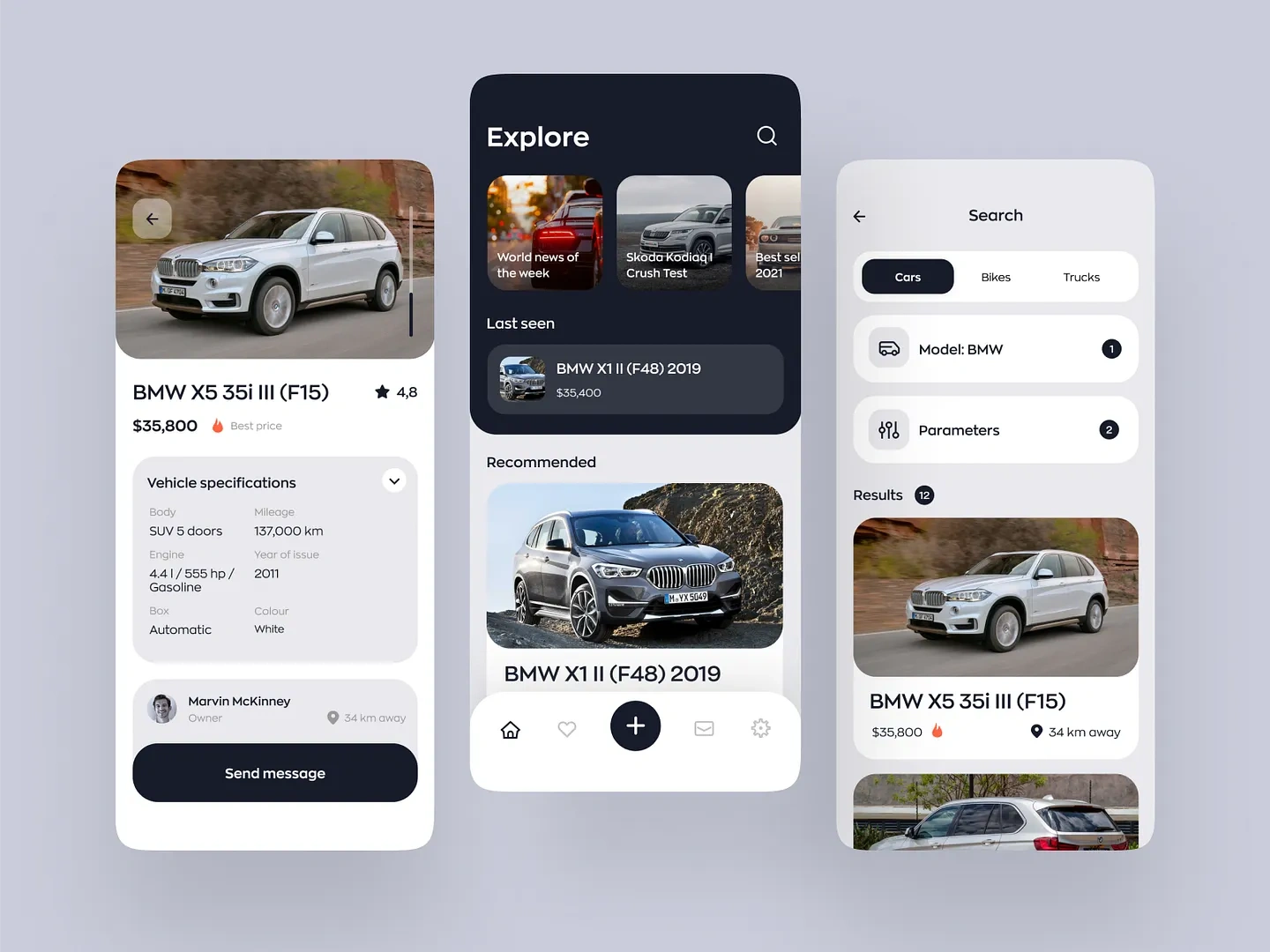
More than half of automotive website traffic comes from mobile devices. Your site must function flawlessly on smartphones and tablets. This means responsive design that adapts to different screen sizes, touch-friendly buttons and forms, and fast loading times on cellular connections.
Test your mobile experience regularly. Ensuring a smooth mobile interface helps improve website UX and increases the likelihood of lead conversions. Are contact forms simple to fill out on a phone? Does the click-to-call functionality work properly? These details matter enormously for mobile conversions.
5. Strategic Call-to-Action Placement
Every page should have a clear purpose and corresponding calls-to-action. Whether it’s “Schedule a Test Drive,” “Get Pre-Approved,” “Chat with Sales,” or “View Similar Vehicles,” these CTAs should stand out visually and appear at logical points in the user journey.
Use contrasting colors for CTA buttons to make them pop against your design. Place them above the fold on important pages, and repeat them at natural decision points as users scroll. Make the language action-oriented and specific rather than generic.
6. Advanced Search and Filtering
Help customers narrow down options quickly with robust search functionality. Allow filtering by make, model, price range, year, mileage, body style, fuel type, features, and color. The ability to save searches or compare vehicles side-by-side adds extra value.
Display the number of results as filters are applied, and make it easy to clear or modify selections. The faster customers can find vehicles that match their criteria, the more likely they are to engage further.
7. Contact Options
Provide multiple ways for customers to reach you. Include a prominent phone number with click-to-call functionality, email addresses, contact forms, live chat, and your physical address with a map. Some visitors prefer calling, others like chatting, and some want to fill out a form. Accommodating all preferences maximizes your lead capture.
Make sure contact forms are short and simple. Asking for too much information upfront creates friction. Name, phone number, email, and a message field are usually sufficient for initial contact.
Optimizing Your Website for Lead Generation
Converting visitors into leads requires strategic design choices and psychological understanding of the customer journey. To achieve this effectively, it’s often best to hire a web designer who understands how to optimize your site for leads and conversions.
Landing Pages for Specific Campaigns
Create dedicated landing pages for different marketing campaigns, vehicle types, or special offers. A focused landing page with one clear objective converts better than sending traffic to your generic homepage. If you’re running a promotion on SUVs, the landing page should feature only SUVs and a single, compelling call-to-action related to that offer.
Remove navigation from landing pages to minimize distractions. Every element should guide visitors toward the conversion goal, whether that’s submitting a lead form, calling your dealership, or scheduling an appointment.
Lead Magnets and Value Propositions
Give visitors a reason to share their contact information beyond just expressing interest in a vehicle. Offer value through resources like buying guides, trade-in value calculators, payment estimators, or exclusive first-look access to new inventory.
Your value proposition should be clear and compelling. What makes your dealership different? Is it your customer service, warranty programs, financing options, or selection? Communicate these differentiators prominently throughout your site.
Progressive Profiling
Not everyone is ready to commit immediately. Use progressive profiling to gather information gradually. Initial contact might only require an email address, while subsequent interactions can request phone numbers, preferred contact times, or trade-in details.
This approach reduces initial friction while still building your database of leads. As trust develops, customers become more willing to share additional information.
Exit-Intent Popups
When visitors are about to leave your site, an exit-intent popup can offer one last opportunity to capture their information. Make the offer valuable: a special discount, downloadable buying guide, or invitation to an exclusive sale event. Time these carefully to avoid annoying users who just arrived.
Retargeting Integration
Implement tracking pixels that allow you to retarget visitors who didn’t convert on their first visit. Most car buyers visit multiple dealership websites before making a decision. Staying visible through retargeting ads keeps your showroom top-of-mind during their research phase.
Lead Response Time
Having systems in place to respond quickly to leads is crucial. Studies show that contacting a lead within five minutes versus thirty minutes makes you 100 times more likely to connect with them. Set up automatic email responses confirming receipt of inquiries, and ensure your sales team has notifications for new leads.
Consider implementing chatbots that can answer basic questions immediately and collect contact information when your team isn’t available. While nothing replaces human interaction, instant engagement prevents leads from moving on to competitors.
SEO and Performance Considerations for Auto Websites
The best-designed website won’t generate leads if people can’t find it. Automotive website design must incorporate an SEO-friendly website structure along with technical performance from the ground up to improve rankings and user experience.
1. Page Speed Optimization

Website speed directly impacts both user experience and search rankings. Compress images without sacrificing quality, enable browser caching, minimize CSS and JavaScript files, and use a content delivery network to serve assets quickly.
Google’s Core Web Vitals have made page speed a significant ranking factor. Test your site regularly using tools like Google PageSpeed Insights and address any issues that slow down loading times. Even a one-second delay in page load time can reduce conversions by seven percent.
2. Local SEO
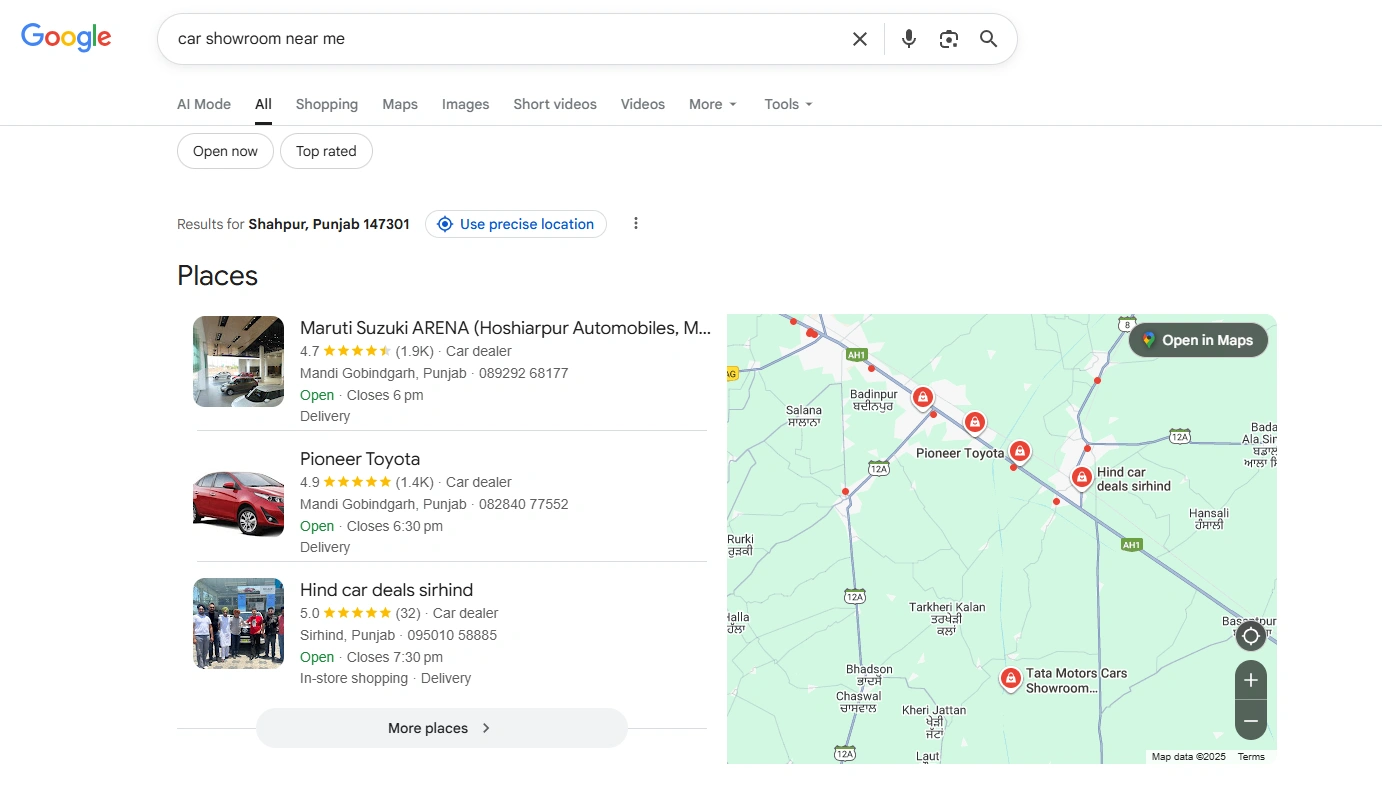
Most car buyers search for dealerships near them. Optimize for local search by claiming and fully completing your Google Business Profile. Ensure your name, address, and phone number are consistent across your website and all online directories.
Create location-specific pages if you serve multiple areas. Include local landmarks, neighborhoods, and geographic keywords naturally in your content. Encourage satisfied customers to leave Google reviews, as these significantly impact local search visibility and consumer trust.
3. Keyword Optimization
Research the terms your potential customers use when searching for vehicles and dealerships. Incorporate these keywords naturally into page titles, headings, meta descriptions, and body content. Don’t stuff keywords unnaturally; focus on creating helpful, readable content that happens to include relevant terms.
Long-tail keywords like “certified pre-owned trucks under 30000 near me” may have lower search volume but often indicate higher purchase intent and face less competition.
4. Quality Content Creation
Regularly publish helpful content that answers customer questions. Blog posts about topics like “how to choose between leasing and financing,” “what to look for when test driving a used car,” or “understanding vehicle warranty options” establish your expertise and attract organic traffic.
This content should link naturally to relevant inventory pages and conversion points. A blog post about family SUVs should include links to your SUV inventory with compelling CTAs.
5. Technical SEO
Ensure your website has a clean URL structure, proper header tag hierarchy, descriptive alt text for images, and an XML sitemap. Fix broken links promptly, as they frustrate users and hurt search rankings.
Implement schema markup for vehicles, reviews, and business information. This structured data helps search engines understand your content and can result in rich snippets that make your listings stand out in search results.
6. Mobile-First Indexing
Google now primarily uses the mobile version of websites for indexing and ranking. Your mobile site must have the same quality content as your desktop version. Don’t hide content on mobile or make it harder to access key information.
Want a Modern Website Without Overspending?
Build a high-converting website with Mandy Web Design to attract visitors and turn them into paying customers efficiently!
Integrating Social Proof and Trust Signals
People are more likely to do business with you when they see others have had positive experiences. Car dealership website design should prominently feature trust indicators.
Customer Reviews and Testimonials
Display authentic customer reviews throughout your site. Feature them on the homepage, vehicle listing pages, and dedicated testimonial sections. Include the customer’s name and location when possible to increase credibility.
Video testimonials are particularly powerful. Seeing and hearing satisfied customers talk about their experience creates stronger emotional connections than text alone.
Third-Party Ratings
Showcase ratings from trusted platforms like Google, Facebook, DealerRater, and Cars.com. Display these prominently, ideally with the actual star rating visible and a link to read full reviews.
If you’ve won awards or received recognition from automotive organizations or local business groups, feature these achievements. Industry certifications and manufacturer awards signal quality and reliability.
Security and Trust Badges
Display security badges, especially on pages where customers enter personal or financial information. SSL certificates, payment processor logos, and privacy policy links reassure visitors that their data is protected.
If you’re affiliated with reputable organizations like the Better Business Bureau or local chambers of commerce, show these badges. They add legitimacy and professionalism to your brand.
Transparent Pricing
Hidden fees and unclear pricing create suspicion. Be upfront about vehicle prices, and if you advertise a price, make sure it’s prominently displayed. Consider showing price history or market comparisons to demonstrate value.
Offering online payment calculators that show estimated monthly payments based on down payment and term length helps customers understand affordability without feeling pressured.
Social Media Integration
Display your social media feeds to show active community engagement. This demonstrates that you’re a real, operating business with satisfied customers. Make it easy for visitors to follow your accounts and share vehicles they’re interested in with friends and family.
User-generated content from social media, like customer photos with their new vehicles, creates authentic social proof that’s more credible than polished marketing materials.
Latest Trends in Car Showroom Website Design
The best car showroom websites stay current with evolving technology, consumer expectations, and emerging UI/UX trends.
Virtual Showrooms and 360-Degree Tours
Virtual reality and 360-degree photography allow customers to explore vehicles from home. These immersive experiences help bridge the gap between online browsing and in-person visits. Customers can examine interior details, see how much cargo space is available, and get a realistic sense of the vehicle’s size and features.
Some dealerships are implementing full virtual showroom tours, allowing customers to navigate the physical location digitally. This is particularly valuable for building excitement and familiarity before an in-person visit.
AI-Powered Chat and Personalization
Artificial intelligence chatbots and other interactive elements, aligned with latest web design trends, can handle basic questions instantly and improve visitor engagement. More sophisticated systems learn from interactions and improve their responses over time.
AI-driven personalization shows different content based on user behavior. If someone repeatedly views electric vehicles, the site can prioritize electric inventory in their search results or highlight relevant content about EV ownership.
Video Content and Live Streaming
Short-form video content continues to grow in importance. Quick walkaround videos, feature highlights, and comparison videos keep visitors engaged and help them make informed decisions.
Some forward-thinking dealerships are experimenting with live-streamed test drives or live Q&A sessions where sales staff answer questions in real-time. This creates urgency and authentic interaction.
Dark Mode Options
Offering dark mode respects user preferences and can reduce eye strain for visitors browsing in low-light conditions. While not essential, this feature shows attention to user experience details.
Augmented Reality Features
AR allows customers to visualize vehicles in their own driveway or garage using their smartphone camera. They can see exactly how a vehicle’s size and color look in their environment before visiting the dealership.
Seamless Integration with Inventory Management
Modern auto dealership website design includes real-time inventory updates. When a vehicle sells, it should be removed from the website immediately to prevent customer frustration. Integration with your dealership management system ensures accuracy and saves staff time on manual updates.
Voice Search Optimization
As more people use voice assistants, optimizing for conversational queries becomes important. People speak differently than they type, using more natural language and asking complete questions. Content should address these query patterns.
Common Mistakes to Avoid in Auto Website Design
Even well-intentioned dealerships make design errors that hurt conversions. Avoiding these pitfalls can significantly improve your website’s performance.
Overlooking the elements of good web design can overwhelm visitors with too much information, cluttered pages, and confusing visuals, leading to decision paralysis. Every page should have a clear primary purpose and guide visitors toward one main action.
Use white space strategically to let content breathe. Break up long text blocks with images and subheadings. Make it easy to scan and find relevant information quickly.
Neglecting Mobile Users: Testing only on desktop and ignoring the mobile experience is a critical error. Forms that are difficult to complete on smartphones, buttons too small to tap accurately, and slow mobile load times will cost you leads.
To avoid mistakes like poor mobile design, some dealerships hire UI/UX designer to ensure responsive layouts and seamless mobile usability.
Auto-Playing Videos with Sound: Nothing drives visitors away faster than unexpected noise. If you include video content, make it play only when clicked, and always start muted with the option to enable sound.
Complex or Confusing Forms: Asking for too much information upfront creates friction. Keep initial contact forms simple and only request essential details. You can gather additional information during follow-up conversations.
Ensure forms work properly and provide clear confirmation when submitted. Nothing frustrates users more than completing a form only to wonder if it was actually sent.
Ignoring Website Analytics: Not tracking visitor behavior means you’re flying blind. Implement comprehensive analytics to understand how people find your site, which pages they visit, where they spend time, and where they exit. This data reveals optimization opportunities.
Set up conversion tracking to know which traffic sources and campaigns generate actual leads and sales, not just website visits.
Inconsistent Branding: Your website should reflect your dealership’s identity consistently. Using different logos, color schemes, or messaging across pages creates confusion and diminishes brand recognition.
Ensure your website’s look and feel aligns with your physical location, advertising materials, and social media presence. Consistency builds trust and recognition.
Poor Quality Images: Blurry, poorly lit, or amateur photos make vehicles look less appealing and your dealership less professional. Invest in quality photography or hire professionals. The visual presentation of your inventory directly impacts perceived value.
No Clear Contact Information: Hiding contact details or making them difficult to find frustrates potential customers. Your phone number, address, and hours should be readily accessible on every page, typically in the header or footer.
Building a Website That Converts
Creating a high-converting car dealership website design requires combining beautiful aesthetics with strategic functionality. Every design choice should serve the ultimate goal of turning visitors into customers.
Invest in quality auto website design services if you lack in-house expertise. Professional designers from top web design companies understand automotive industry-specific needs and conversion optimization strategies. They can create a
Your website is working 24/7 on your behalf. Make sure it’s working effectively. With the right design, features, and optimization, your digital showroom can become your most valuable sales tool, driving consistent growth and establishing your dealership as the preferred choice in your market.
Professional Website Solutions for Car Showrooms by Mandy Web Design
Mandy Web Design is a reputed design company that helps car showrooms create websites that attract more visitors and generate leads. With expertise in automotive website design services, we build websites that are both visually appealing and user-friendly, helping your business stand out online.
We offer affordable website designing packages starting from just Rs 13,000, designed to provide the best value considering your web design cost. Our packages are designed to provide car showrooms with modern designs, smooth navigation, and useful features that make it easy for visitors to explore your cars and contact your team.
Our web design services cover a wide range of website solutions, including custom web design, WordPress web design, eCommerce web design, responsive web design, website redesign, UI/UX web design, and website maintenance. Whatever your showroom needs, we deliver professional websites that help grow your business online.
Planning a Modern Look for Your Showroom Online?
We provide clean, professional designs that highlight your brand, making your dealership stand out and attract more potential buyers!
FAQs About Car Showroom Website Design
A website acts as your digital showroom, allowing potential buyers to browse inventory, learn about your services, compare vehicles, and contact your team anytime. This increases leads, builds trust, and helps your dealership stay competitive in the increasingly online-driven automotive market.
An effective website includes high-resolution images, detailed vehicle descriptions, intuitive navigation, mobile responsiveness, strong calls-to-action, advanced search filters, and multiple contact options. These features guide visitors, improve engagement, and encourage them to book test drives or submit inquiries, ultimately increasing your dealership’s sales.
To ensure mobile-friendliness, use responsive design that adapts to all screen sizes, include touch-friendly buttons and forms, compress images for faster loading, and test the mobile experience regularly. A smooth mobile experience improves user satisfaction and increases lead generation on smartphones and tablets.
Yes. Including walkaround videos, test drive footage, and feature demonstrations engages visitors, keeps them on the website longer, and helps them understand the vehicle’s unique features. Videos enhance trust and provide a more interactive experience, increasing the likelihood of inquiries or test drive bookings.
Use clear, prominent calls-to-action, landing pages for campaigns, lead forms, live chat, exit-intent popups, and value propositions like guides or calculators. These strategies guide visitors toward contacting your dealership, booking appointments, or requesting information, ensuring more inquiries and higher-quality leads for your sales team.
SEO ensures your website ranks higher in search engines, attracts more local buyers, and drives organic traffic. Optimizing keywords, meta tags, content, local listings, and vehicle pages improves visibility, credibility, and leads, making it easier for potential customers to discover your showroom online.
Update your inventory daily or in real-time to reflect sold vehicles, new arrivals, pricing adjustments, and promotions. Accurate inventory ensures potential buyers see correct information, builds trust, reduces frustration, and increases the chances of inquiries, test drives, and completed sales through your website.
Yes. A professional website with transparent pricing, authentic customer reviews, secure forms, clear contact information, and consistent branding increases trust. It shows that your dealership is established, reliable, and customer-focused, encouraging visitors to consider your showroom as their preferred choice for purchasing vehicles.

About the Writer
Mandeep Singh Chahal
Founder/CEO, Mandy Web Design
Mandeep Singh Chahal is the proud Founder/CEO of Mandy Web Design. After completing his graduation from Punjab University, Mr. Mandeep started gaining experience in SEO, Digital Marketing, Web Designing, and Business Development. His years of experience have earned him a reputed Web Design Company – Mandy Web Design.