
Objective;
This blog is to help architecture firms understand the importance of professional website design, key features of an effective site, and how hiring expert designers improves portfolio presentation, visibility, trust, and client inquiries.
Architecture website design is essential for firms that want to showcase their projects and attract new clients online. A well-structured website allows visitors to explore your portfolio, understand your services, and see your firm’s unique style.
Did you know? 94% of first impressions about a website are design-related, and 75% of users judge a company’s credibility based on its website’s design—making professional architecture web design essential for building trust and attracting clients online.
A good architecture website focuses on clarity and visual appeal. High-quality images, clean layouts, and easy navigation help potential clients find the information they need quickly and efficiently. It should reflect the creativity and professionalism of your firm.
Hiring an expert website designer for architecture firms ensures that your website meets these standards. Professionals can create responsive designs, optimize images for fast loading, and organize content so your projects are highlighted effectively.
A strong architecture website builds trust and credibility with visitors. With the right design, your firm can attract the right clients, make a lasting impression, and grow its business through an impressive online presence.
Key Takeaways
- A modern website helps doctors attract more patients and build trust online.
- Patient-friendly features like mobile support, telemedicine, and online booking improve engagement.
- SEO-focused design and medical content help patients find your practice faster on Google.
- A well-built website becomes a long-term tool that supports practice growth and reduces workload over time.
Table of Contents
- Why Architecture Firms Need a Professional Website
- Key Features of an Effective Architecture Website
- How Expert Website Designers Elevate Architecture Websites
- Steps to Hire the Right Website Designer for Your Architecture Firm
- Benefits of a Well-Designed Architecture Website
- Why Choose Mandy Web Design for Your Architecture Website
- FAQs About Architecture Website Design
Why Architecture Firms Need a Professional Website
Your website serves as your firm’s virtual storefront. For architecture firms, this is particularly critical because potential clients want to see your work before they reach out. A professional website is no longer optional—it’s a fundamental business necessity that can determine whether you win or lose projects.
First Impressions Matter More Than Ever
When prospective clients search for architectural services, your website is often their first point of contact with your firm. Research shows that visitors form opinions about a website within milliseconds of landing on it. For architecture firms, where aesthetics and design sensibility are core to the business, a poorly designed website sends the wrong message. It suggests that if you can’t design an impressive website, how can clients trust you to design their building?
A professional website demonstrates that your firm is established, credible, and takes its brand seriously. It shows that you understand the importance of presentation and user experience—qualities that translate directly to how you’ll approach client projects.
Showcase Your Portfolio Effectively
Architecture is a visual profession. Your completed projects, design concepts, and creative solutions are your strongest marketing tools. A professional website provides the perfect platform to display your portfolio in ways that print materials and social media simply cannot match.
Unlike physical portfolios or brochures that have space limitations, a website allows you to showcase an extensive collection of projects with high-resolution images, detailed descriptions, and even virtual tours or 3D renderings. You can organize projects by category, style, or building type, making it easy for visitors to find exactly what interests them. This comprehensive showcase helps potential clients understand your expertise, design philosophy, and the range of services you offer.
Reach Clients Beyond Your Local Market
While word-of-mouth referrals remain valuable in architecture, a professional website dramatically expands your reach. Potential clients who are relocating to your area, developers seeking specialized expertise, or property owners looking for a particular architectural style can discover your firm through online searches.
A well-optimized website helps you appear in search results when people look for architectural services in your region or specialty area. This visibility is especially important for firms looking to grow beyond their immediate network or target specific market segments like sustainable design, historic restoration, or commercial development.
Establish Authority and Build Trust
Your website serves as a platform to establish your firm as a thought leader in architecture. Through blog posts, case studies, and project narratives, you can share insights about design trends, construction processes, and the value of good architecture. This content educates potential clients while positioning your firm as knowledgeable experts who can guide them through complex projects.
Testimonials, awards, certifications, and team credentials displayed on your website further build credibility. When potential clients can see that others have had positive experiences with your firm and that your team has the qualifications to deliver quality work, they’re more likely to reach out with confidence.
Compete Effectively in the Market
Many architecture firms still rely on outdated websites or limited online presence. By investing in a professional website, you gain a competitive advantage. A modern, well-designed site that loads quickly, works perfectly on mobile devices, and provides an exceptional user experience will help you stand out from competitors who haven’t prioritized their digital presence.
In competitive bidding situations or when clients are comparing multiple firms, your website can be the deciding factor. The firm with the most impressive, informative, and user-friendly website often creates the strongest impression and moves forward in the selection process.
Key Features of an Effective Architecture Website
Creating an effective architecture website requires more than just uploading some project photos and contact information. The best architecture websites incorporate specific features that enhance user experience, showcase work effectively, and convert visitors into clients.
1. Stunning Visual Portfolio
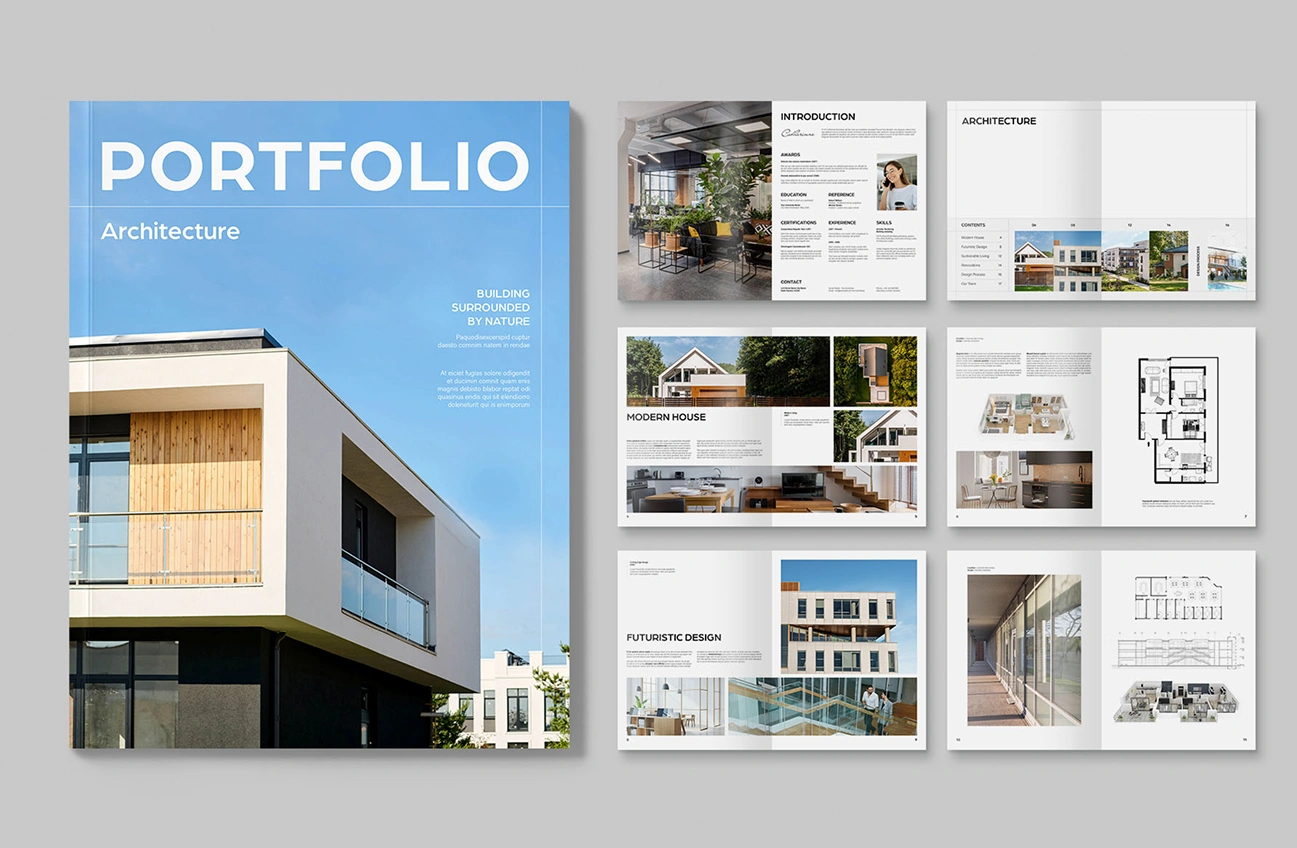
The centerpiece of any architecture website is the portfolio section. This should feature high-quality, professionally photographed images of your completed projects. Each project should have its own dedicated page with multiple images showing different angles, details, and perspectives.
Effective portfolio presentations include exterior shots, interior spaces, detail photography, and contextual images that show how the building fits into its surroundings. Before and after images can be particularly powerful for renovation projects. Consider including architectural drawings, renderings, or 3D models alongside construction photos to give visitors insight into your design process.
Organization is crucial. Allow visitors to filter projects by type (residential, commercial, institutional), style, location, or project size. This helps potential clients quickly find work that’s relevant to their needs and interests.
2. Clear Service Descriptions
While your portfolio shows what you’ve done, your services page explains what you can do for potential clients. This section should clearly outline the services your firm offers, from initial concept design through construction administration.
Break down your process into understandable phases so clients know what to expect when working with you. Explain specialized services like sustainable design, historic preservation, interior architecture, or urban planning. Use straightforward language that clients outside the architecture profession can understand, avoiding excessive jargon while still demonstrating your expertise.
3. Responsive Mobile Design
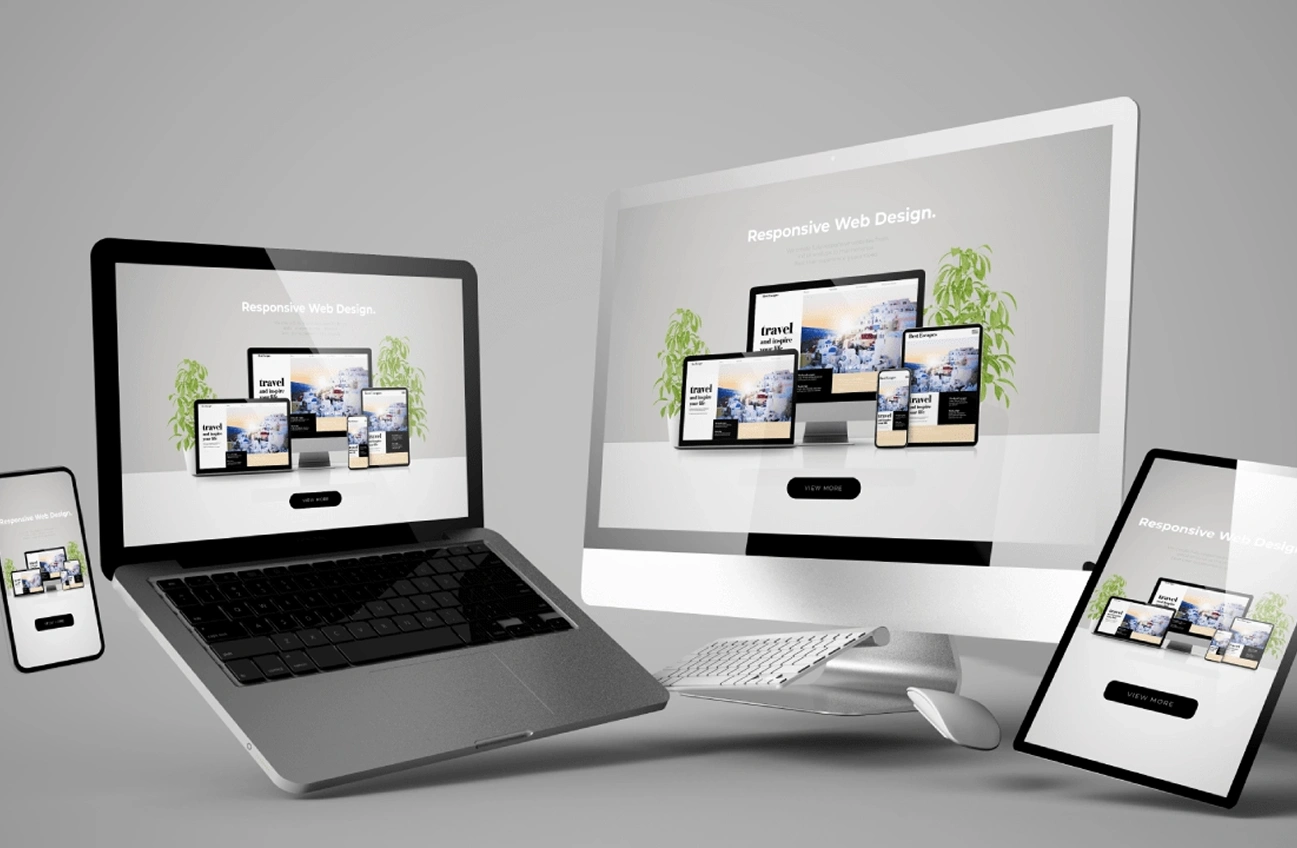
More than half of web traffic now comes from mobile devices. Your architecture website must look and function flawlessly on smartphones and tablets. Responsive design ensures that your site automatically adapts to different screen sizes, maintaining readability and usability regardless of how visitors access it.
Mobile optimization is especially important for architecture websites because potential clients often browse portfolios on their phones during casual research phases. If your site is difficult to navigate on mobile or images don’t load properly, you’ll lose these visitors to competitors with better mobile experiences.
4. Fast Loading Speeds

Architecture websites feature many large, high-resolution images, which can slow down page loading times if not properly optimized. Slow websites frustrate visitors and hurt your search engine rankings. Professional website designers know how to compress images without sacrificing visual quality, implement lazy loading so images appear as users scroll, and use content delivery networks to serve files quickly.
Studies show that visitors abandon websites that take more than a few seconds to load. For architecture firms trying to make strong first impressions, slow loading speeds can be disastrous. Fast performance keeps visitors engaged and demonstrates the same attention to detail and quality you bring to architectural projects.
5. Intuitive Navigation
Visitors should be able to find what they’re looking for within seconds of landing on your website. This requires clear, logical navigation with well-organized menu structures. Main navigation should include standard sections like Home, Portfolio, Services, About, and Contact, with dropdown menus for subcategories when needed.
Include a prominent search function so visitors can quickly find specific project types or information. Breadcrumb navigation helps users understand where they are within your site structure and easily navigate back to previous pages. Every page should have clear calls to action that guide visitors toward contacting you or learning more about your services.
6. Compelling About Section
The About section humanizes your firm and helps potential clients connect with your team. This area should include professional biographies of principals and key team members, highlighting education, experience, design philosophy, and professional affiliations.
Share your firm’s history, values, and approach to architecture. Explain what makes your firm unique and why clients should choose you over competitors. Include professional headshots and perhaps candid photos of your team working together. This personal touch helps build trust and makes your firm more approachable.
7. Client Testimonials and Case Studies

Nothing builds credibility like hearing from satisfied clients. Feature testimonials throughout your website, particularly on service pages and project pages. Video testimonials are especially powerful because they feel more authentic and allow potential clients to hear directly from people who’ve worked with you.
Detailed case studies take testimonials a step further by walking through specific projects from initial client goals through final completion. These narratives demonstrate your problem-solving abilities, communication skills, and the value you deliver. Case studies should include project challenges, your design solutions, and the outcomes achieved for clients.
8. Contact Information and Lead Capture

Make it easy for potential clients to reach you. Display your contact information prominently in the website header or footer, including phone number, email address, and physical office location. A dedicated contact page should include multiple contact methods, office hours, and an embedded map showing your location.
Implement contact forms that are simple and quick to complete. Request only essential information—name, email, phone, and project details. Long, complicated forms discourage people from reaching out. Consider offering multiple contact options like scheduling consultation calls directly through your website using calendar integration tools.
9. Blog or News Section
Regular content updates through a blog demonstrate that your firm is active and engaged with current trends and issues in architecture. Blog posts can cover topics like design inspiration, project updates, sustainability practices, industry news, or answers to common client questions.
This content serves multiple purposes: it improves search engine optimization, establishes your expertise, provides value to visitors, and gives you material to share on social media. Even updating your blog monthly with quality content can significantly enhance your website’s effectiveness.
10. Social Media Integration
Connect your website to your social media profiles so visitors can follow your firm on platforms like Instagram, LinkedIn, Facebook, or Pinterest. Display social media feeds on your website to showcase recent updates and keep content fresh. Add social sharing buttons to project pages and blog posts so visitors can easily share your work with their networks.
Social proof from followers, likes, and shares reinforces your firm’s credibility and extends your reach beyond your website.
Reach Clients Beyond Your City
Looking to attract clients outside your local market? Our SEO-friendly architecture websites help your firm appear in search results and expand your reach!
How Expert Website Designers Elevate Architecture Websites
While DIY website builders and templates might seem cost-effective, working with expert website designers who understand the unique needs of architecture firms delivers results that template solutions cannot match.
Understanding of Architecture Industry Needs
Professional designers who specialize in architecture websites understand the industry’s unique requirements. They know that architecture firms need to balance aesthetic appeal with functionality, showcase visual work prominently, and communicate complex technical services in accessible ways.
These designers are familiar with how architects think and work, the language of the profession, and what potential clients look for when evaluating architecture firms. This industry knowledge translates into websites that effectively represent your firm and resonate with your target audience.
Custom Design That Reflects Your Brand
Template websites look generic because thousands of other businesses use the same layouts and design elements. Expert designers create custom websites that reflect your firm’s unique identity, design philosophy, and brand personality.
They consider your firm’s architectural style, whether you focus on modern minimalism, traditional elegance, or cutting-edge experimental design, and create website aesthetics that complement your work. Every element—from color schemes and typography to design layouts and interactive features—is intentionally chosen to represent your brand accurately.
This custom approach ensures your website stands out from competitors and creates a cohesive brand experience across all client touchpoints.
Technical Expertise and Best Practices
Professional website designers bring technical expertise that goes far beyond visual design. They understand web development languages, content management systems, hosting infrastructure, security protocols, and performance optimization techniques.
This technical knowledge ensures your website is built on a solid foundation that’s secure, scalable, and maintainable. Expert designers implement proper code structure, optimize database queries, configure caching systems, and follow web standards that template builders often overlook.
They also stay current with rapidly evolving web technologies and best practices, ensuring your website uses modern approaches that will remain effective for years.
Search Engine Optimization (SEO)
Creating a beautiful website means nothing if potential clients can’t find it. Expert designers understand search engine optimization and build SEO best practices into your website’s foundation. This includes SEO-friendly website structure, optimized page titles and descriptions, appropriate heading hierarchies, alt text for images, schema markup, and clean URLs.
They ensure your website loads quickly, works well on mobile devices, and provides good user experiences—all factors that search engines consider when ranking websites. Professional designers can also implement local SEO strategies that help your firm appear in searches for architecture services in your geographic area.
Strategic Content Organization
How you organize and present information significantly impacts whether visitors find what they need and take action. Expert designers apply information architecture principles to structure your content logically and intuitively.
They determine which information belongs on main navigation versus secondary menus, how to organize portfolio projects for easy browsing, where to place calls to action for maximum visibility, and how to guide visitors through your website toward contacting you. This strategic approach creates user journeys that feel natural and lead to higher conversion rates.
Image Optimization for Visual Impact
Architecture websites are image-heavy, which creates challenges for performance and user experience. Professional designers have advanced skills in image optimization—compressing files to reduce size while maintaining visual quality, choosing appropriate file formats, implementing responsive images that adapt to different screen sizes, and using lazy loading techniques.
They also understand how to present images for maximum impact through carefully considered layouts, appropriate sizing, compelling galleries, and interactive features like sliders or before-and-after comparisons. The result is a website that loads quickly while still delivering the stunning visual presentation architecture firms require.
Accessibility Compliance
Expert designers ensure your website is accessible to all users, including those with disabilities. This means implementing proper color contrast for readability, providing alternative text for images, ensuring keyboard navigation works properly, using semantic HTML structure, and following Web Content Accessibility Guidelines (WCAG).
Accessibility isn’t just ethically important—it’s increasingly required by law and expands your potential audience. An accessible website demonstrates your firm’s commitment to inclusive design principles.
Ongoing Support and Maintenance
Professional relationships with website designers don’t end when your site launches. Expert designers provide ongoing support for technical issues, security updates, content changes, and functionality enhancements. They monitor your website’s performance, address problems quickly, and recommend improvements as web technologies and user expectations evolve.
This ongoing partnership ensures your website remains effective, secure, and up-to-date without requiring you to develop in-house web expertise.
Integration with Business Tools
Modern architecture firms use various software tools for project management, client communication, proposal creation, and business operations. Expert designers can integrate your website with these tools to create seamless workflows.
This might include connecting your contact form to your CRM system, integrating project management platforms, implementing client portals, connecting scheduling tools for consultation bookings, or setting up analytics to track website performance and visitor behavior.
Analytics and Performance Tracking
Professional designers implement comprehensive analytics that help you understand how visitors use your website, which pages generate the most interest, where traffic comes from, and which marketing efforts drive the best results. They set up conversion tracking to measure how many website visitors contact you or request consultations.
This data-driven approach allows you to continuously improve your website’s effectiveness and make informed decisions about marketing investments.
Steps to Hire the Right Website Designer for Your Architecture Firm
Selecting the right website designer is crucial for creating an effective online presence. Following a structured hiring process helps ensure you find a designer who understands your vision and can deliver results.
1. Define Your Goals and Requirements
Before reaching out to designers, clarify what you want your website to accomplish. Are you primarily showcasing completed projects to win new clients? Do you want to emphasize a particular architectural specialty? Are you trying to attract a specific client type—residential homeowners, commercial developers, or institutional clients?
List the specific features you need, such as a comprehensive portfolio gallery, blog, client portal, contact forms, newsletter signup, or integration with specific tools. Consider how many pages your website should include and what content you’ll need to prepare.
Establish a realistic budget range. Quality architecture websites typically require investment proportional to their importance to your business. Understanding what you can afford helps designers propose appropriate solutions.
2. Research and Identify Potential Designers
Look for website designers who have experience creating sites for architecture firms or creative professionals. Review their portfolios to assess design quality, variety of approaches, and whether their aesthetic sensibility aligns with your preferences.
Ask colleagues in the architecture community for recommendations. Professional associations, local business groups, and industry forums can be valuable sources for finding designers who understand architectural services.
Read reviews and testimonials from previous clients. Look for feedback about communication, reliability, problem-solving abilities, and overall satisfaction with the final product.
3. Review Portfolios Carefully
When evaluating designer portfolios, look beyond surface aesthetics. Examine how well portfolio sites showcase visual work, whether navigation is intuitive, and how sites perform on mobile devices. Click through multiple pages to assess attention to detail and consistency.
Notice whether the designer creates unique websites for each client or relies on similar templates. You want a designer who will create something custom for your firm, not simply reuse the same layout.
If possible, check whether portfolio websites are still active and well-maintained. This indicates whether the designer builds sites with longevity and provides ongoing support.
4. Schedule Consultations
Contact your top designer candidates and schedule consultations. Many designers offer free initial consultations to discuss your project and determine fit. Prepare questions to ask during these meetings:
- What is your experience designing websites for architecture firms specifically?
- What is your design process from initial consultation through launch?
- How do you approach portfolio presentation and image optimization?
- What content management system do you recommend and why?
- How do you handle revisions and client feedback?
- What is included in your quoted price?
- What is the typical timeline for a project like ours?
- Do you provide training on managing website content?
- What ongoing support or maintenance services do you offer?
Pay attention to how well the designer listens and asks questions about your firm. A good designer will be genuinely curious about your business, goals, and preferences rather than immediately pitching a predefined solution.
5. Evaluate Communication and Chemistry
You’ll be working closely with your chosen designer for several weeks or months. Compatibility matters. Assess whether the designer communicates clearly, responds promptly, and seems genuinely interested in your project.
Consider whether their communication style matches your preferences. Some designers are very collaborative and involve clients in every decision, while others prefer more autonomy and present refined options. Choose someone whose working style fits your involvement preferences.
6. Request Detailed Proposals
Ask finalists to provide detailed proposals outlining their approach to your project. A comprehensive proposal should include:
- Project scope describing what’s included
- Design and development process with phases and milestones
- Timeline with specific deadlines
- Itemized pricing breakdown
- Revision policy
- Training and support included
- Ongoing maintenance options
- Terms and conditions
Compare proposals carefully. The lowest price isn’t always the best value. Consider the overall approach, included services, designer expertise, and expected results.
7. Check References
Request references from previous clients, particularly architecture or design firms if possible. Contact these references and ask about their experience:
- Was the project completed on time and within budget?
- How well did the designer handle challenges or unexpected issues?
- How was communication throughout the project?
- Are you satisfied with the final website?
- Has the website helped achieve business goals?
- Would you hire this designer again?
References provide valuable insights into what working with the designer will actually be like beyond the polished presentation they make during consultations.
8. Review Contracts Carefully
Before signing any contract, read all terms carefully. Ensure you understand what’s included, the payment schedule, revision policies, ownership of design files, hosting arrangements, and what happens if you’re unsatisfied with the work.
Clarify who will own the website and its content after completion. Ensure you’ll have full access to modify or move your website if needed. Understanding these details upfront prevents conflicts later.
9. Consider Ongoing Relationship Potential
Think beyond the initial website design to the longer-term relationship. Will this designer be available for updates, improvements, and technical support after launch? Do they offer maintenance packages or retainer arrangements for ongoing work?
Websites require regular updates and improvements. Choosing a designer who can support you long-term creates continuity and ensures someone familiar with your site is available when you need help.
10. Trust Your Instincts
After gathering all this information, trust your instincts about which designer feels right. If someone has impressive credentials but communication feels difficult, or if you don’t quite connect with their vision for your site, keep looking. The best designer for your firm is someone who combines technical skills with good communication and genuine enthusiasm for your project.
Benefits of a Well-Designed Architecture Website
Investing in professional website design delivers numerous concrete benefits that directly impact your firm’s success and growth.
Increased Client Inquiries
A well-designed website converts visitors into leads more effectively than basic sites. Clear calls to action, easy contact methods, and compelling presentations of your work encourage potential clients to reach out. Firms often see significant increases in consultation requests after launching professional websites.
The 24/7 availability of your website means potential clients can discover and learn about your firm anytime, even outside business hours. Your website works as a constant marketing tool generating inquiries while you’re focused on project work.
Stronger Brand Identity
Your website serves as the cornerstone of your firm’s brand presence. A professionally designed site that consistently reflects your design philosophy, values, and personality strengthens brand recognition and helps you stand out in crowded markets.
Everything from color schemes and typography to the way you describe projects and services communicates your brand identity. Professional designers ensure all these elements work together cohesively to create a strong, memorable impression.
Competitive Advantage
In markets where many architecture firms have outdated or mediocre websites, investing in professional design gives you a significant competitive edge. When potential clients compare firms, the one with the most impressive website often gains an advantage in the decision-making process.
Your website demonstrates that your firm is forward-thinking, detail-oriented, and willing to invest in quality—all qualities clients want in their architects.
Improved Client Perception
A polished, professional website elevates how clients perceive your firm. Even smaller firms can appear established and credible with an impressive website. The quality of your online presence signals the quality of your architectural services.
Conversely, an outdated or poorly functioning website raises doubts about your capabilities and attention to detail. Your website’s quality directly influences whether potential clients trust you with their projects.
Better Search Engine Visibility
Professional websites built with SEO best practices rank higher in search engine results, making it easier for potential clients to find you. Higher visibility leads to more website traffic, which translates to more opportunities for client acquisition.
Local SEO implementation helps you appear in searches for architectural services in your specific geographic area, connecting you with clients in your target market.
Showcase Your Full Capabilities
A comprehensive website allows you to present the full range of your services, expertise, and completed projects in ways that other marketing materials cannot match. You can feature dozens or hundreds of projects, detailed service descriptions, case studies, testimonials, and team information all in one accessible location.
This comprehensive showcase helps potential clients understand exactly what you offer and see evidence of your capabilities before they contact you, leading to more qualified inquiries from clients who already understand and value what you do.
Cost-Effective Marketing
While professional website design requires upfront investment, it delivers ongoing marketing value for years. Unlike paid advertising that stops working when you stop paying, your website continues attracting clients as long as it’s active.
Compared to the cost of print materials, advertising campaigns, or traditional marketing methods, a website offers exceptional return on investment. One significant project acquired through your website can pay for the entire development cost.
Support for Other Marketing Efforts
Your website amplifies all other marketing activities. Business cards, brochures, social media profiles, email signatures, and advertisements all point people to your website as the central information hub. Without a strong website, other marketing efforts lose their effectiveness because they have nowhere compelling to direct interested parties.
Content from your website can be repurposed for social media, email newsletters, and other marketing channels, creating efficiency in your marketing efforts.
Attract Quality Clients
A professional website doesn’t just attract more clients—it attracts better clients. When your website clearly communicates your design philosophy, showcases sophisticated projects, and demonstrates your expertise, it naturally appeals to clients who value quality architecture and are willing to invest appropriately.
This targeting effect means you spend less time on consultations with clients who aren’t good fits and more time working with clients who appreciate and can afford your services.
Streamline Communication
Your website can answer common questions about your process, timeline, fees, and services before potential clients contact you. This information sharing reduces repetitive explanations and allows initial conversations to focus on project-specific details.
Features like online contact forms, project inquiry questionnaires, and downloadable information packets make initial client interactions more efficient for both parties.
Build Credibility and Trust
Awards, certifications, professional affiliations, media features, and testimonials displayed on your website build credibility. Potential clients can verify your qualifications, read about others’ experiences, and see evidence of your professional standing.
This transparency builds trust before the first conversation, making potential clients more comfortable reaching out and more confident in choosing your firm.
Document Your Firm’s Evolution
Your website serves as an evolving record of your firm’s growth and achievements. As you complete new projects, reach milestones, add team members, or expand services, your website grows with you. This documented progression demonstrates momentum and continued relevance in the industry.
Years from now, your website becomes a valuable archive of your firm’s work and evolution, useful for anniversary celebrations, promotional materials, or simply reflecting on your journey.
Why Choose Mandy Web Design for Your Architecture Website
Mandy Web Design is a trusted website designing company that specializes in creating professional, high-quality websites for architecture firms. We combine creativity, functionality, and technical expertise to deliver websites that showcase your projects, reflect your brand, and attract potential clients effectively.
We offer affordable website design packages starting from Rs 13,000, making it easier for architecture firms to get a professional online presence without breaking the budget. Our pricing is lower than other web design companies because we focus on efficiency, transparent workflows, and tailored solutions, ensuring you get maximum value without compromising on quality.
Our comprehensive web design services include custom website design, WordPress website design, UI/UX design, website redesign, responsive design, and website maintenance. Each service is crafted to provide a seamless user experience, optimize performance, and highlight your architecture projects in the best possible way.
Transform Your Architecture Firm Online
Want to showcase your projects and attract high-value clients? Our expert website designers create stunning, professional architecture websites that reflect your brand!
FAQs About Architecture Website Design
Architecture website design is the process of creating a professional online presence for architecture firms. It focuses on visually showcasing projects, clearly presenting services, and providing an intuitive user experience. A well-designed site reflects your firm’s creativity, credibility, and professionalism to attract potential clients.
The cost varies depending on complexity, features, and customization. At Mandy Web Design, we offer affordable website design packages starting from Rs 13,000. Our pricing is competitive because we provide efficient workflows, tailored designs, and high-quality results without compromising on performance or aesthetics.
An expert designer ensures your architecture website is visually appealing, functional, and optimized for search engines. Professionals handle responsive design, image optimization, intuitive navigation, and content organization, helping your firm stand out, attract clients, and convert visitors into inquiries efficiently.
The timeline depends on the website’s size and complexity. Typically, a custom architecture website takes 4–8 weeks, including consultation, design, development, content integration, testing, and revisions. Expert designers ensure the project stays on schedule while maintaining quality and attention to detail.
Yes. A professional architecture website allows you to display a comprehensive portfolio with high-quality images, project descriptions, and categories by type, style, or location. Interactive galleries, 3D renderings, and virtual tours make it easy for potential clients to explore your work and understand your expertise.
Absolutely. Modern architecture websites are built with responsive design to ensure they look and function flawlessly on smartphones, tablets, and desktops. Mobile optimization is essential as many clients browse portfolios on mobile devices, and a seamless experience helps keep them engaged.
A well-designed website builds trust, showcases expertise, and highlights your portfolio effectively. Combined with SEO best practices, it increases visibility in search results, reaching potential clients beyond your local area. Clear calls-to-action and contact forms help convert visitors into inquiries and consultations.
Services include custom website design, responsive layouts, UI/UX design, portfolio showcase, SEO optimization, content management integration, contact forms, blog setup, and ongoing maintenance. Each service is tailored to highlight your architecture projects, improve user experience, and create a strong online presence for your firm.

About the Writer
Mandeep Singh Chahal
Founder/CEO, Mandy Web Design
Mandeep Singh Chahal is the Founder/ CEO of Mandy Web Design, a top-rated web design and development agency in India. With over 22 years of experience in digital marketing, he has helped businesses across various industries establish and strengthen their online presence through strategic design and SEO implementation. He focuses on creating digital solutions that address real business challenges and drive measurable growth. His approach combines deep industry knowledge with practical execution in web design, development, and search engine optimization, enabling him to transform business objectives into effective digital strategies that deliver results.